
SKF, Cummins navigate regulations, global unrest
Trending
National and global politics are helping shape the coming months for two of the area's larger employers.
Officials from Cummins and SKF talked recently with investor analysts about the effects things like tariffs, new environmental regulations and global uncertainty, particularly in the Middle East, are affecting their business through the first quarter of the year.
CUMMINS AFFECTED BY NATIONAL REGULATIONS
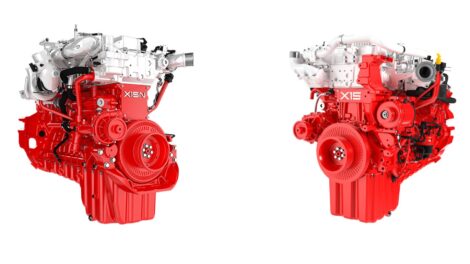
Cummins, which employs more than 1,400 people at its Jamestown Engine Plant, is waiting for EPA regulations as it launches its HELM platforms. HELM, which stands for Higher Efficiency, Lower Emissions, and Multiple Fuels, offers fuel flexibility for fleets with three heavy-duty engines: the industry-first 15-liter natural gas engine, X15N, the reimagined 2027 X15 diesel, and the all-new X10. The X15N is being manufactured at Cummins' Jamestown Engine Plant after a more than $450 million retooling of the local plant's assembly line.
Jennifer Rumsey, Cummins CEO and board chairwoman, said during a recent conference call with investor analysts that Cummins has delayed the launch of its B platform until January 2028. The B platform is Cummins' medium-duty engine lineup (6.7L-7.2L) for trucks, buses, and industrial applications, with newer iterations of the platform being developed as part of the HELM lineup.
"Based on kind of the late changes, we have made the decision to delay the launch of our B platform to January 2028," Rumsey said. "That will be the final launch of our diesel platform. We continue to plan to move forward with X15 and X10 in ’27. And as I shared previously, the B platform, in particular, is the one that we sell to the most number of customers and diversity of applications. We’ve been transparent with EPA about our plans on the launch and are looking forward to seeing the draft of the revised rule anticipated this quarter and getting the final version of that before we start launching our new platforms next year."
One area that is uncertain, but not a major issue for Cummins' bottom line, is ongoing changes to tariff policy by the federal government. Rumsey said changes continue to happen with the company managing those changes with suppliers and customers. Mark Smith, Cummins chief financial officer and vice president, said Cummins has seen tariffs affect the company differently from quarter to quarter, but said the company has managed tariffs well over the past 17 months.
"Remember, we predominantly make and source in the U.S.," Rumsey said. "We’re making engines in the U.S. for the U.S. market. We’re making gensets in the U.S. for the U.S. market. Much of our supply comes from the U.S. And what I will say is as we’ve come into this year, at least in the truck space with the 232 tariffs, we’re working really closely with the Department of Commerce to make sure they understand how do we meet our mutual goal of encouraging U.S. manufacturing and have engine offset program is going to work. That has not been finalized yet, but our guidance does reflect our assumptions of what that will look like for our Engine and Components business. And that’s kind of a key change to make sure that we’re getting the appropriate credit, if you will, for manufacturing and sourcing, and work that we’re doing in the U.S."
GLOBAL ISSUES AFFECT SKF
SKF, on the other hand, finds itself dealing with more with global issues.
One investor analyst asked Rickard Gustafson, SKF chief executive officer, about the impact of unrest in the Middle East on SKF’s supply chains, particularly in the company’s lubricants business. There hasn't been much impact yet, but Gustafson said increases in fuel prices as the ongoing slowdown in the Strait of Hormuz continues will have an impact – but it's hard to project what the impact will be.
"As you heard Susanne mention, we are already making and taking actions in order to compensate ourselves for increased fuel costs," Gustafson said. "To your specific question, have you seen any disturbances in our supply chains? We can’t really point to anything of any significance so far. That has not been the case for us. Furthermore, I do believe that maybe the biggest concern that we have regarding how long this conflict will last is what this will do to global demand. That question, I think we all can speculate in, and we only will know once we see the war come to an end."
Some companies have announced price increases in distribution to account for increases in energy and steel costs after the start of the United States’ war with Iran. Susanne Larsson, SKF’s chief financial officer, said SKF has largely passed those increased costs on to customers through price increases or surcharges. Uncertainty in the Middle East will lead to some changes in the second quarter.
“Now when we are facing the Middle East crisis, we are taking similar actions as soon as possible. That means that we are out in the market adjusting our price list during this quarter already and anticipate to have somewhat an effect of that already in quarter two,” Carlsson said.