
Algal blooms close 4 Chautauqua County beaches
Trending
A harmful algal bloom has again closed the beach at Long Point State Park.
The beach had been closed last week due an algal bloom but reopened in time for the Fourth of July holiday. A new algal bloom has closed the beach again, according to a Facebook post by the park.
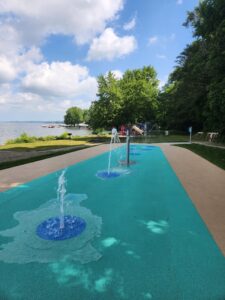
“Unfortunately, the swim area will be closed due to a new HAB,” the park said. “You may still use the sandy beach and splash pad. Thank you.”
The splash pad is open from noon to 5 p.m., weather and staff permitting. One day after showing only one beach closed, the county Health Department’s updated beach closure report on Tuesday also showed three Chautauqua Institution beaches closed due to HABs: the Children’s Beach, College/Pier Beach and Heinz Beach. Beaches at Lakeside Park in Mayville and the Lakewood Village Beach remain open. Beaches in Dunkirk, Cassadaga and private facility beaches in Findley Lake remain open as well.
Harmful algal blooms in freshwater lakes, ponds, rivers and streams generally consist of visible patches of cyanobacteria, also called blue-green algae. Cyanobacteria are naturally present in low numbers in most aquatic systems, according to the state DEC. Under certain conditions, including adequate nutrient (e.g., phosphorus) availability, warm temperatures, and calm winds, cyanobacteria may multiply rapidly and form blooms that are visible on the surface of the affected waterbody. Several types of cyanobacteria can produce toxins and other harmful compounds that can pose health risks to people and animals through ingestion, skin contact, or inhalation.
The state Office of Parks and Recreation, county officials or local health departments have the authority to close swimming beaches. Beach operators close beaches as needed to assure public health and safety. This can happen under a number of circumstances, including when excessive algal blooms are detected. State officials recommend swimming at regulated beaches because it reduces risk of exposure to HABs, since beaches are closely monitored by professionals for the presence of blooms.