Brooks proposes legislation aimed at nurse shortage
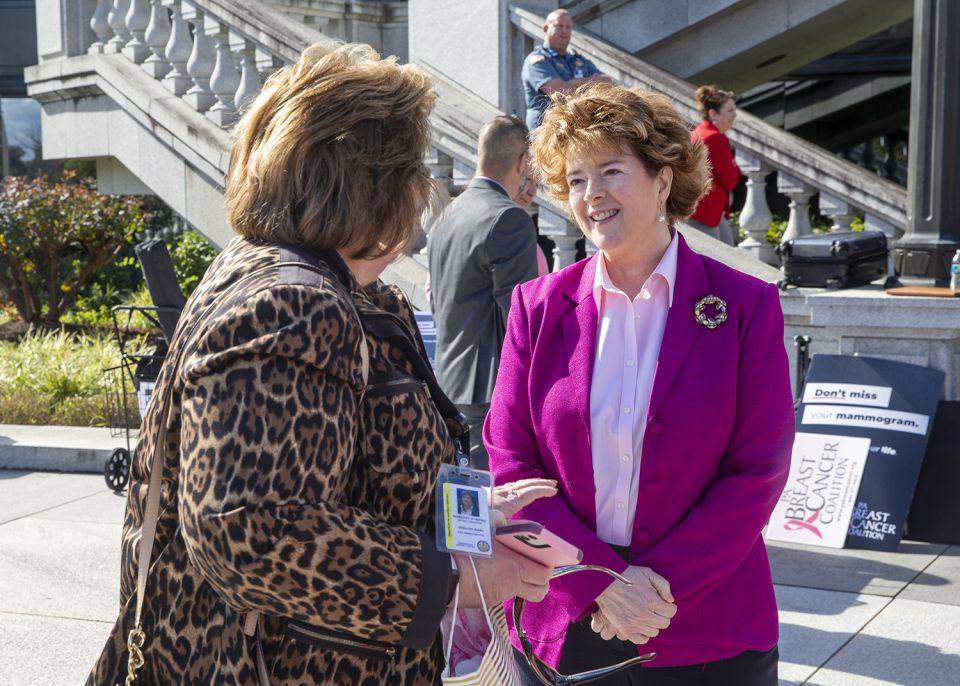
Photo from senatorbrooks.com State Senator Michele Brooks has proposed legislation aimed at providing an accelerated path for those with bachelor’s degrees to get into the nursing field.
There have been few, if any, professions hit harder by the COVID-19 pandemic than nurses.
State Senator Michele Brooks, who represented Columbus, Spring Creek, Eldred and Southwest townships in Warren County, has put forward a measure to quicken the process for nurse training for those with bachelor’s degrees.
“We are in the midst of the greatest health care workforce shortage to date and action is required to incentivize and promote growth in this sector,” Brooks wrote in a legislative memo released Wednesday.
She wrote that COVID-19 surges have “exacerbated long-standing forces driving nursing workforce shortfalls, prompting an all-hands-on-deck scramble to maintain patient care.”
Brooks cited several sources to support the assertion, including U.S. Bureau of Labor statistics showing that “the healthcare sector has lost nearly half a million workers since February 2020. Approximately 22 percent of the remaining nurse workforce may leave their positions within the upcoming year.”
The memo states that faculty shortages further limit the number of nursing students that can be admitted.
“To address these challenges, we need flexibilities to invest in educational initiatives that will directly increase the number of new nurses into the workforce,” she said.
That’s at the heart of her proposal, which has not yet been introduced as a bill.
“My legislation would allocate funds from the federal American Rescue Plan to create an accelerated Bachelor of Science in Nursing Program for students who have already completed a bachelor’s degree in another field and want to pursue a nursing degree (BSN),” she said. “The accelerated program would allow students to complete the BSN program in 12-18 months resulting in more nurses joining the workforce, more quickly.
“‘The Great Resignation’ has hit health care hard,” she said. “Early retirements, job transfers out of hospitals and acute care facilities, and contract staffing agencies have all played a role in creating these staffing shortages. Additionally, Pennsylvania’s aging population requires more medical care as people are not only living longer but aging in place and avoiding acute care settings until their health is most severe.”
Local News

Chief Cornplanter Council holds volunteer recognition dinner
Documents reveal depths of Tidioute water crisis
More than two months after a boil water advisory was first issued for customers of the Southwest Warren County ...

‘Empowering’ example
State invests $21M to support victims of crime, prevent youth violence and delinquency
This week, members of the Pennsylvania Commission on Crime and Delinquency (PCCD) approved more than $21 million in ...
Domestic incident led to felony gun charges
A domestic incident in February led Warren police officers to get the federal Bureau of Alcohol, Tobacco and ...