
Andrews goes to trial in connection with 1911 murder
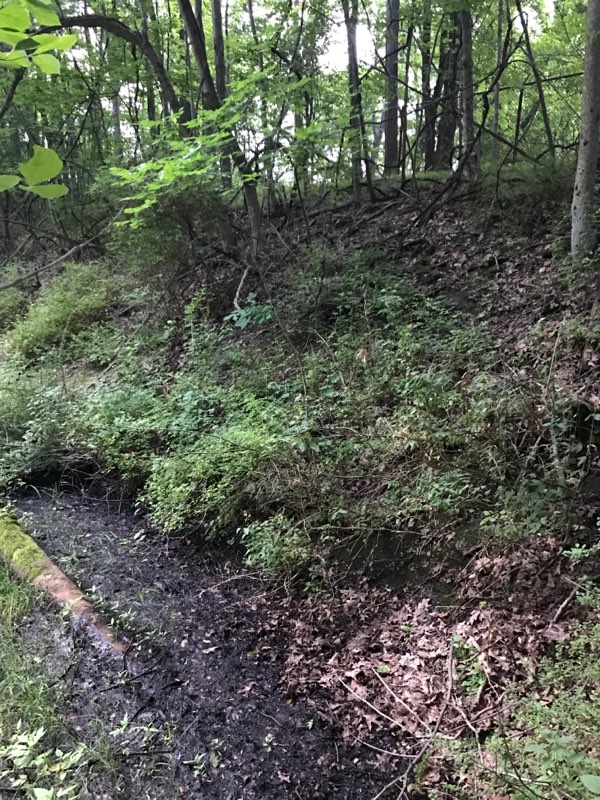
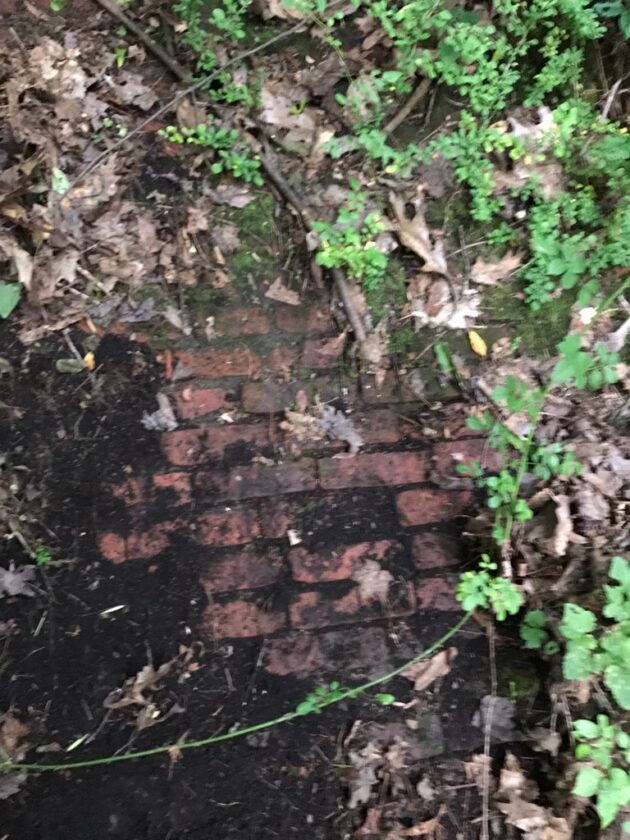
Photos courtesy of Dave Winans These two photos show some of what is left of a 1.5-million-gallon water reservoir located on the opposite side of Liberty St. from the current water tanks. The access back to the reservoir was the scene of the murder of Emile Amann in 1911.
Photos courtesy of Dave Winans These two photos show some of what is left of a 1.5-million-gallon water reservoir located on the opposite side of Liberty St. from the current water tanks. The access back to the reservoir was the scene of the murder of Emile Amann in 1911.
Trending
About two months after John M. Andrews was arrested in connection with the murder of Emile Amann, it was time for trial.
"Big crowds still mark the sessions of court today in the Andrews murder trial and in spite of the fact that the securing of a jury is tiresome work the interest of the crowd abated not one whit," the Evening Mirror reported on June 7.
The first steps in that process -- and its unclear which order they occurred in -- was arraignment and jury selection.
Arraignment is when a defendant is advised of the formal charges against him.
Andrews was asked to enter a plea.
"'Not guilty," came the answer in a loud, clear tone, unshaken by any sign of nervousness," the Evening Mirror claimed.
Andrews was then asked how he wanted to be tried and responded "By God and my country."
There are many ways in which a 21st century reporter can be critical of 20th century court reporting. Here's another one of those: "The larger percentage of the crowd in attendance is of the feminine persuasion and they are at fever heat over the various phases of this case.
"So deeply has the case been discussed throughout the city and so often have the circumstances of the killing of which the trial is the outcome been discussed that all are familiar with its various standpoints and the women are vastly more excited than the men of the town."
Murder and manslaughter charges were included in the indictment. At that time, a venue change wasn't possible once the case was, as the Evening Mirror described it, "under way."
It's no secret given the coverage and the rumors that challenges were expected when it came to finding a fair and impartial jury and the paper acknowledged that many of the potential jurors acknowledged they they had read about or discussed the case "and had from their reading and talk formed an unshakable opinion."
The county's sixth president Judge Watson D. Hinckley, would preside over this trial.
According to information from the Warren County Historical Society, Hinckley was a descendant of a governor of Plymouth Colony and was educated in Fredonia and then the University of Michigan before taking up the practice of law in Warren in 1882. He was president judge from 1910 until his death in 1920.
Hinckley had to take steps to fill out this jury, which had deadlocked at 10 members out of an initial lot of 94.
"Judge Hinckley Thursday afternoon ordered Sheriff Park to go into the highways and gather citizens in order to fill up the jury," the Mail reported on June 15, "and Friday morning upon the opening of court, the work of examining these was commenced."
Three of the men were from Warren, which "came as a complete surprise to all."
Jury selection took days and the Mail noted a "decided falling off" of public attendance likely due to the "dull monotony" of the jury selection process "and emphasizes the fact that the person drawn to a courtroom through morbid curiosity must have some sensation injected into the case if it continues to hold their interest."
Reporters claimed that Andrews "seemed to have lost his cheerful demeanor," reclining in his chair and chewing tobacco -- "a toothpick protruding from his lips received, at one end, a simultaneous pummeling by the teeth."
With the last two jurors seated, the trial commenced.
"We will offer their evidence and in addition to that we will show the motive for this crime and also other evidence bearing upon this tragedy," District Attorney Frank Lyons said as part of his opening statement to the jury. "When we have produced that evidence gentlemen, we will leave the case in your hands."
A short aside before we get into the trial…
First of all, thanks to Dave Winans and Dan Sorensen for their assistance with the location and scope of the reservoir.
There was indeed once a reservoir up Liberty St. where the scene of this crime was reported to be.
It was located on the opposite side of Liberty St. from the current water storage tanks.
Sorensen cited the 1888 Manual of American Water Works (yes, that exists and, yes, it was quite easy to find) that included some details on the reservoir.
The document states that it was built in 1881 by the Warren Water Company and was supplied by the "Allegheny and Mirrison's rivers, by gravity, and by pumping to reservoir."
Reservoir capacity is listed as 1.5 million gallons. It was 15 feet deep and "in excavation and embankment, 100 by 200 ft. at water line." It was a six-figure investment on the part of the water company. And that's in 1880s dollars.
Photos provided by Winans show that the reservoir was brick-lined, as well.