Annual spongy moth management begins
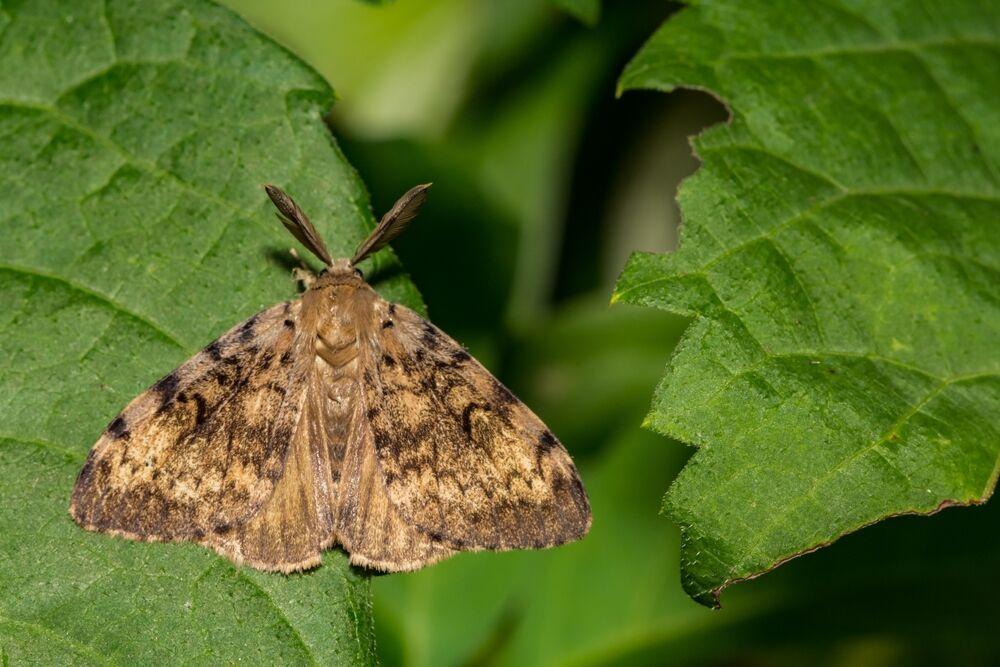
Photo by Jay Ondreicka, The Center Square A spongy moth, also known as lymantria, and previously called a “gypsy moth.”
The Pennsylvania Game Commission set aside millions of dollars to curb the spread of an invasive moth that’s plagued the state since the 1970s.
The spongy moth — also known as the gypsy moth or Lymantria — when left unchecked can harm oak trees and affect animals big and small.
Both the Department of Conservation and Natural Resources and the commission spray eggs annually to prevent further spread.
In 2021, about 90,000 acres of state game lands “suffered significant defoliation” due to the moth, as The Center Square previously reported. In 2022, about 63,000 acres of state game lands were treated at a cost of $1.2 million, according to the commission’s annual report.
This year, the commission will treat more than 109,000 acres, most of it in northcentral Pennsylvania. Spraying occurs by low-flying aircraft and the commission has an online map of areas it will spray for interested residents.
The department treated more than 200,000 acres last year and anticipates spraying almost 300,000 acres this year using $3 million in federal funds.
Damage from the moths mostly affects oak trees, which get replaced by birch and maple trees. David Gustafson, the commission’s director of the Bureau of Wildlife Habitat Management, said oak trees play an invaluable role in maintaining balance in the forest’s ecosystem.
“Everything from squirrels to bears to turkeys will have populations fluctuate based on acorn crops,” he said. If acorn production is low, bears will den earlier, weigh less, produce fewer and smaller cubs and get into more nuisance situations. Deer over-winter survival and reproduction suffers when acorns are sparse.”
A fungal disease affecting the moth kept numbers down in recent years, but the department did not expect that to be the case in 2022.
The goal is not eradication anymore, but rather management, the department told lawmakers earlier this month.
The moth has spread across much of the northeastern United States, with counties from Maine to Minnesota and as far south as Virginia under a federal quarantine order.
Local News

Chief Cornplanter Council holds volunteer recognition dinner
Documents reveal depths of Tidioute water crisis
More than two months after a boil water advisory was first issued for customers of the Southwest Warren County ...

‘Empowering’ example
State invests $21M to support victims of crime, prevent youth violence and delinquency
This week, members of the Pennsylvania Commission on Crime and Delinquency (PCCD) approved more than $21 million in ...
Domestic incident led to felony gun charges
A domestic incident in February led Warren police officers to get the federal Bureau of Alcohol, Tobacco and ...