
More state funding sought for human services
Accessibility to mental health resources can be challenging in rural areas such as Warren County.
The Warren County Commissioners have called for increased state funding to improve not only mental health but the availability of other human services in the county.
“This is a really important, vital situation that we support and push for in order to address that,” Commissioner Jeff Eggleston said.
He said the County Commissioners Association of Pennsylvania “has made increased human services funding their highest priority to advocate at the state level,” specifically asking for increases in the dollars flowing into counties.
Eggleston said there are a “variety of services that this funding supports, most of which are critical care situations.”
That includes, he explained, situations where other services haven’t yet been approved or services such as rapid housing and case management aimed “to keep people out of critical care situations.”
Julie Lacki, the mental health director at Forest-Warren Human Services said the county served between 650 and 700 individuals between July 1, 2020, and June 30, 2021.
She outlined the wide array of what those services can include, such as different forms of therapy and, where needed, placement for children and families, access to services at the Bollinger Campus, housing support, payee services, transportation, outpatient treatment and mobile crisis services.
“Increases in funding would help support what we do,” Meredith Ketcham, the county’s children and youth services director, explained.
Ketcham said the ability to provide mental health services in the community will allow referrals that will keep more children in their homes.
Without funding, she said “some are falling on CYS and juvenile probation. Unfortunately, children (are) ending up in placement” rather than working through services in the community.
The commissioner’s action Wednesday was a resolution in support of CCAP’s effort to advocate for funding.
“The state is in a position to grant this if they so choose,” Eggleston said, citing a 60 percent increase in involuntary mental health commitments as well as increases in suicide, mental health referrals and delays in service.
“(The) pandemic has had a huge effect on that,” he said.
Local News
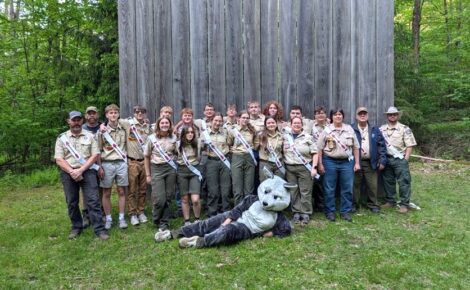
Scouts host conclave

Culture Class begins Tuesday at First Lutheran
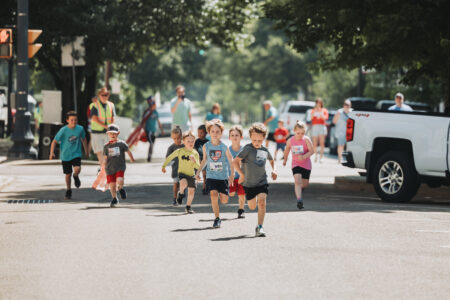
A Patriotic Pace
Art in the Wilds is June 27-28
Art in the Wilds returns to Evergreen Park in Kane on Saturday, June 27, from 10 a.m. to 5 p.m. and Sunday, June ...
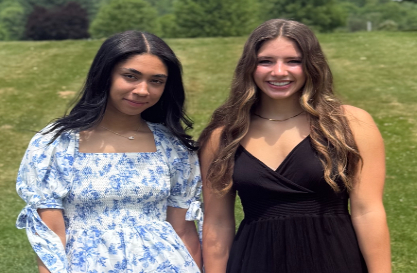
Himes scholarship winners announced
White Cane Foundation plans vision screening
Following a successful spring vision screening event that helped dozens of local residents receive affordable ...