Breaking News

Not much for looking back

While I am a serious fan of history, 2019 is hardly history. So the only look back at this past year is to report that the female black squirrel that frequents our yard has about doubled in size. She was a skinny little thing when she arrived. Now when she scampers away carrying a mouthful ...
RTPI to hold first citizen science forest pest survey session Jan. 11; session in Warren on Jan. 31

The Roger Tory Peterson Institute will hold its first Citizen Science Forest Pest Survey session at 10 a.m. Saturday, Jan. 11. The surveys are to look for the hemlock woolly adelgid, an aphid-like insect, originating from Asia that feeds off of the food storage cells below the needles of an Eastern Hemlock tree and hides under white woolly masses for protection. Within a matter of four to 10 years, an individual tree can succumb to a hemlock woolly adelgid infestation if left unnoticed. The hemlock woolly adelgid has been progressively moving closer to the western New York and ...

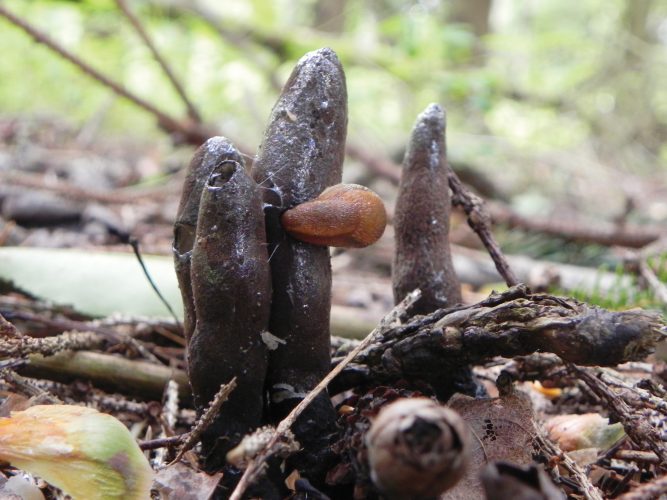
This fungi I know…

‘Tis the season of death, or at least a long rest, in nature. The trees are bare, the grass has stopped growing, and the stems of plants brown, shriveled, and lifeless. Many in New York find the season dreary and mundane. Yet we are all guilty of not realizing how important this time of year ...

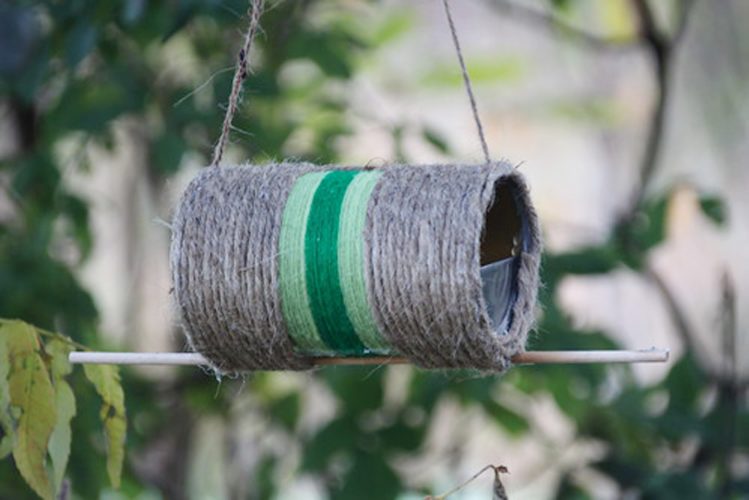
Audubon birdfeeder and birdseed Make-and-Take, Friday, Jan. 4

You can create a feeding stop for your feathered friends by making a homemade birdfeeder and special blend of birdseed. Stop by Audubon Community Nature Center any time between 10 a.m. and 2 p.m. on Saturday, Jan. 4, to participate in the Birdfeeder and Birdseed Make-and-Take. After ...

The dark night

As we steadily creep through winter and into the new year, the focus will eventually begin to move from the calm of night toward a season of increased light and activity. Every day we gain a couple more minutes of light in the evening and eventually more motivation and activity. As those ...

Grouse priority area siting tool launches

Pennsylvania’s state bird, the ruffed grouse, has suffered dramatic population losses due to the statewide scarcity of young forests and large-scale West Nile virus die-offs. To offset those losses, the Pennsylvania Game Commission has created a tool to identify prime grouse recovery areas. “The Game Commission recognizes that all conservation partners must work smarter, not just harder, to restore the King of Thunder,” said Lisa Williams, the agency grouse biologist who identified West Nile’s role in Pennsylvania’s grouse-population collapse. “It’s not enough to simply ...