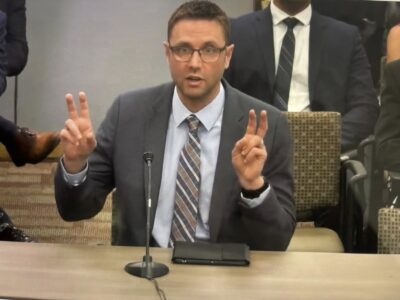
Panel talks solar farm regulations
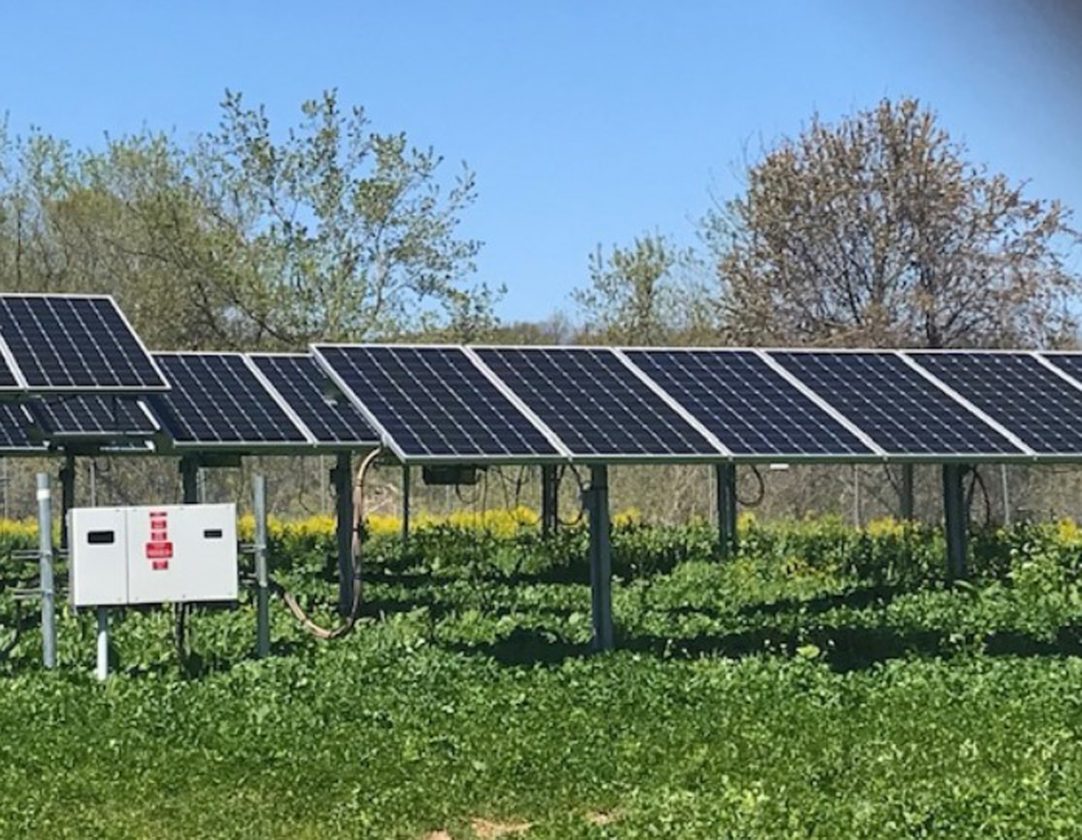
Jamestown Post Journal file photo. County officials are in the early stages of discussing regulations for commercial solar farms. It’s believed at least two potential farms are in development in the county.
A commercial solar farm in excess of 1,500 acres is in the works in Clinton County.
Warren County officials have reason to believe that development is potentially headed this way.
That has spurred a proactive attempt to establish regulations and guidelines for this kind of development.
The county’s Planning Commission discussed the issue during Tuesday’s meeting.
Zoning Officer Michael Lyon said regulations here would need to be part of the county’s subdivision and land development regulations in order to apply to the entire county, something that the county’s zoning ordinance does not do as many municipalities are unzoned.
County Planner Dan Glotz stressed these regulations would not cover someone looking to put solar panels on their roofs.
“Most of these (solar farms) are 100 to 400 acres,” Lyon said. “They’re very large.”
He explained that it takes four acres of solar panels to generate one megawatt of electricity and that 30 to 50 megawatts are needed for commercial viability.
Lyon told the Commission that he has had calls from potential developers in this space that are “actually waiting” for the county to enact regulations. He said that PJM, the firm that oversees the grid, has at least two solar farms in the planning process in Warren County but won’t detail additional information about those efforts.
Glotz said solar farms are “becoming a huge issue in some counties around the state,” explaining that hundreds of acres were clear cut for the farm in Clinton County.
The draft ordinances covers a litany of potential issues from installation, decommissioning and stormwater to signage, noise, glare and buffering.
The regulations would ultimately need approval by the county commissioners.
“What we’re looking at is companies that are looking to sell into the grid,” Glotz said.
He said the issue probably wouldn’t have caught their attention had developers not inquired.
“(We) don’t want to be reactive,” he said.
Tuesday was the first time a formal proposal had been made to the Commission, which had discussed the issue in more general terms previously.
Action was tabled to a future meeting.
“I think we need to be better educated about what this is all about (and the) impact on the community,” Commission chair Paul Pascuzzi said.
Local News
Chief Cornplanter Council holds volunteer recognition dinner
Documents reveal depths of Tidioute water crisis
More than two months after a boil water advisory was first issued for customers of the Southwest Warren County ...
‘Empowering’ example
State invests $21M to support victims of crime, prevent youth violence and delinquency
This week, members of the Pennsylvania Commission on Crime and Delinquency (PCCD) approved more than $21 million in ...
Domestic incident led to felony gun charges
A domestic incident in February led Warren police officers to get the federal Bureau of Alcohol, Tobacco and ...