The ‘Centerpiece’: A how-to on hydrangeas
Bright colors. Big blooms. And low maintenance.
A hydrangea can be a garden showstopper, according to the Warren Garden Club.
“The centerpiece of many of our summertime gardens is the hydrangea,” Garden Club member and Penn State Extension Master Gardener Rbecca Ryan said. “These wonderful shrubs with their elegant flowers and their old-fashioned charm are often the main event of the garden.
The hydrangea is low maintenance, comfortable in almost any kind of soil and produces large and colorful blooms.”
They are a multi-purpose shrub.
“The many types of hydrangeas make them suitable for many different garden sites,” Ryan said.
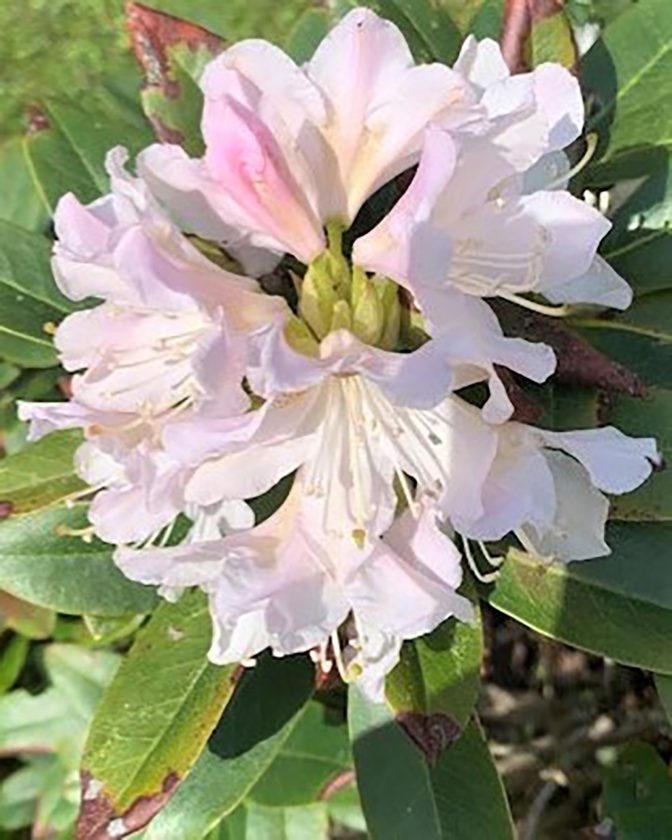
“There are types for group plantings, shrub borders and even containers in colors that range from white to pink to blue.”
Those looking to join the world of hydrangeas should plant in the spring after the last frost or the fall before the first, Ryan said.
“They need fertile, well-drained soil, plenty of moisture and they prefer partial shade with morning sun.”
With a site picked out, “dig a hole as deep as the root ball and two or three times as wide,” she said. “Set the plant in the hole and fill it half full of soil and then water. After the water is absorbed fill the rest of the hole with soil and water thoroughly.”
“For the first two of three years after planting and during a drought be sure the hydrangeas get plenty of water,” Ryan said.
“Always water new plants deeply three times a week. An organic mulch beneath your plant will keep the soil moist and, over time, add nutrients.”
Adding extra nutrients should be done by the book.
“Fertilize your hydrangeas in March, May and June,” Ryan said. “Too much fertilizer can encourage leafy growth rather than the big blooms you want. Follow the directions on a good all-purpose fertilizer for your hydrangeas.”
“I love my hydrangeas even the one that never blooms,” she said. “Every spring I fertilize, and I mulch. Three varieties bloom with abandon, only one breaks my heart. Hope springs eternal.”
Community
Hospice planning Summer Wonders Raffle
Hospice of Warren County is excited to announce their Summer Wonders Raffle. Residents can take a chance on ...
‘Coffee Connection’ event set for Youngsville
The Warren County YMCA is partnering with the Bean Bank in Youngsville for a “Coffee Connection” for all active ...
Overdose Prevention Program is expanding in rural counties
Pennsylvania Department of Drug and Alcohol Programs (DDAP) Secretary Dr. Latika Davis-Jones highlighted Tuesday ...
Civil Air patrol holds training weekend
Last month, cadets from the Warren Composite Squadron NER-PA-505 put their emergency service skills to work during ...
Briefs
Two make Bucknell dean’s list Bucknell University has released the dean's list for outstanding academic ...