
Learning to camp and canoe
There are few things as relaxing as spending your days connecting with nature, and it is extra special when you can do so by canoe.
Drifting quietly down a scenic stream or floating motionless on a mountain lake as a flock of geese glides in. There is nothing in the world like it.
But most people need to limit their canoeing adventures to short-day trips. To truly experience canoeing at its best, combine it with camping. Imagine drifting down the same scenic stream for days and days, spending the evening eating over a campfire and sleeping under the stars. Only then have you truly experienced all that nature has to offer.
Of course, a successful canoe trip requires some preplanning and simple steps to avoid unnecessary hassles and trial and error. The following are some of the tips I have picked up during my own experience — some from those more experienced than me and some through my own trial and error.
PACK LIGHT
While it may sound nice to have all the conveniences of home awaiting you at the end of a long day paddling, you must remember that your days will be filled with paddling not only yourself but all your gear. The less gear, the better. But that does not mean sleeping in a pile of leaves and gathering grubs and berries for dinner.
Pack prepared dry meals that can be cooked in a single pot. This not only allows you to get bulky coolers for ice, but it also means no heavy cooking stoves or unnecessary pots and pans. Meals can be packed in gallon Ziploc freezer bags, then in a single large stew pot, the same pot you will use to prepare them each evening. Add variety to your daily diet with homemade trail mixes, which can also be stored in Ziploc bags.
Leave the tent at home and replace it with two tarps. Two large tarps can easily be used to construct an excellent shelter for the evening and also be used to protect your gear during your daily travels. Remember to include a few paracord lengths to suspend the shelter and secure the gear while traveling.
You will be surrounded by water so there is no reason to bring your own. Bottled water is all the rage; if you take it to the gym, it makes sense to take it with you into the wilderness.
But it is not.
Outdoorsmen have been heading into the woods for centuries without bottled water when they knew it would be available where they were going. Instead of carrying the extra weight, replace it with purification kits or a quality filter system. If extra cautious, you can also boil the water before consumption.
MAP YOUR TRIP
Hitting the water without a plan or a care in the world sounds romantic, but it unnecessarily increases the odds of avoidable complications or even tragedy. By mapping your route beforehand, you can avoid long portages, hazards, or obstructions and realistically calculate necessary daily progress. Remember to leave a copy of your route and schedule with someone who can alert the authorities if you do not return to civilization on time.
Pennsylvania has abundant water suitable for paddling, so no one is more than a short drive from their next adventure. Check out the Pa Fish & Boat Commission website for information about the PA Water Trails, maps, and possible overnight camping locations.
GO EASY
Part of the enjoyment of canoeing is the lack of stress. Unfortunately, too many inexperienced paddlers hold themselves to unreasonable expectations regarding daily progress and end up pushing themselves too hard to enjoy the trip.
Get out and enjoy nature!
Local Sports
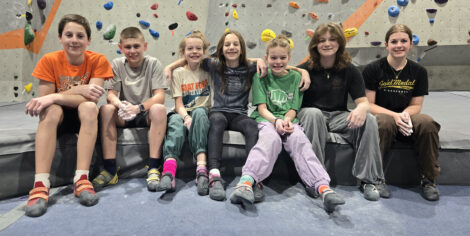
Goat Fort climbers ready for regionals

Final showing
Outdoor brands are killing the environment
It is often said that outdoorsmen are their own worst enemies. Whether it is infighting about opening day or ...
Briefs
Adult bowling Marty Lindquist’s 167-496 led the Daybreakers League at Valley Bowling Center. Cheri Wolfgang ...
HIGH SCHOOL SCHEDULE
MONDAY Baseball Warren at Seneca, 4 p.m. West Middlesex at Eisenhower, 4 p.m. Softball Kane at ...
Onoratti ‘excited’ to begin first unified track & field season
The successes of the Warren unified bocce team will bring a new team to Warren Area High School — unified ...