
Students explore role in shaping future of Warren, Forest counties
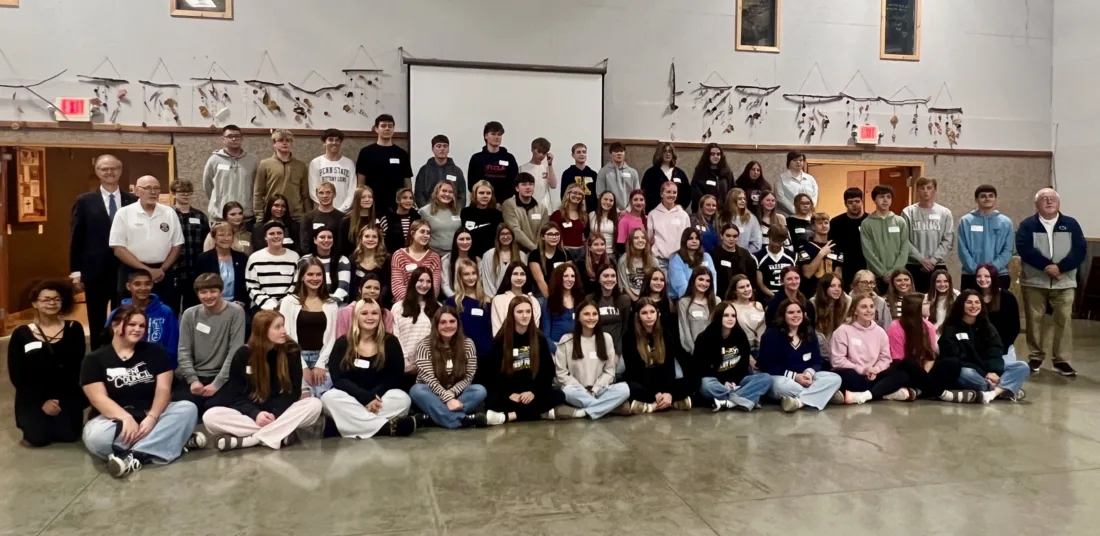
Times Observer photo by Delaney Chase Students from Warren Area High School, Eisenhower High School, Tidioute Community Charter School, East Forest Junior/Senior High School, West Forest Junior/Senior High School and homeschool programs attend Student Government Day with local government officials and community leaders.
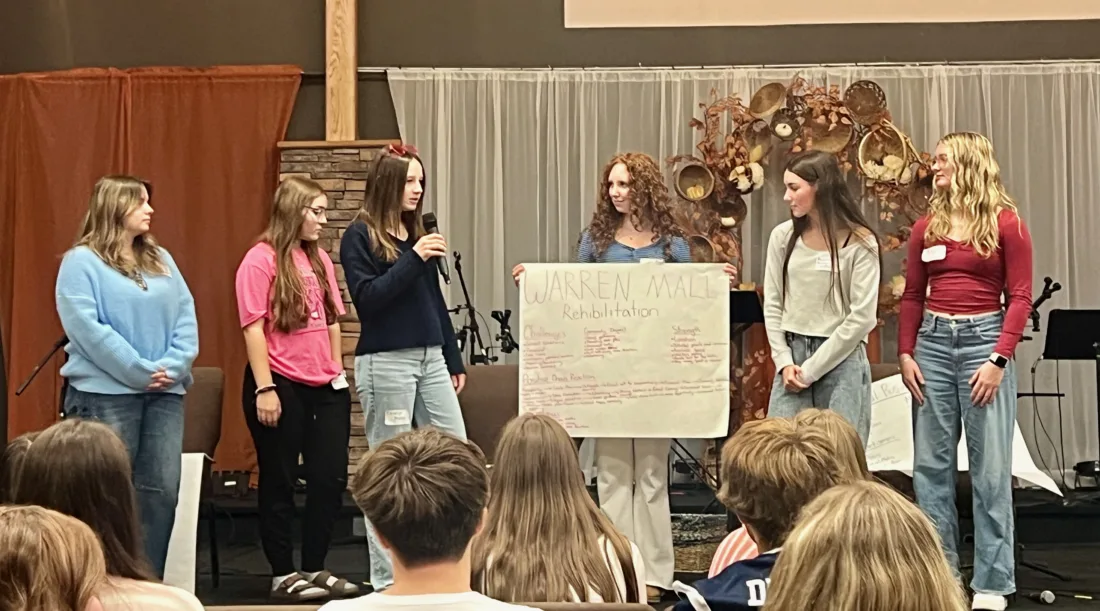
Times Observer photo by Delaney Chase Students present their breakout session activities to other students and local leaders in attendance at the end of Student Government Day.
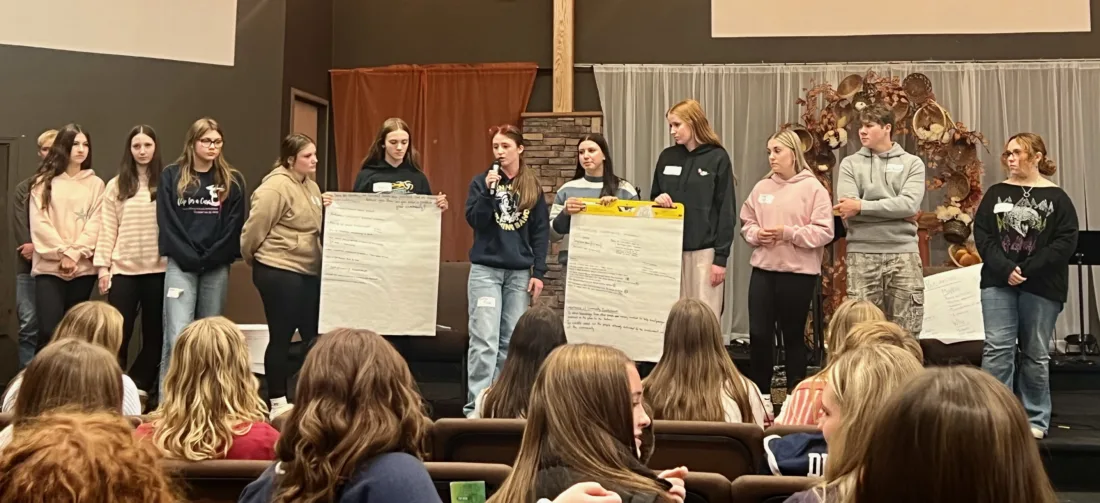
Times Observer photo by Delaney Chase Students present their breakout session activities to other students and local leaders in attendance at the end of Student Government Day.
Times Observer photo by Delaney Chase Students from Warren Area High School, Eisenhower High School, Tidioute Community Charter School, East Forest Junior/Senior High School, West Forest Junior/Senior High School and homeschool programs attend Student Government Day with local government officials and community leaders.
Times Observer photo by Delaney Chase Students present their breakout session activities to other students and local leaders in attendance at the end of Student Government Day.
Times Observer photo by Delaney Chase Students present their breakout session activities to other students and local leaders in attendance at the end of Student Government Day.
Trending
YOUNGSVILLE -- Young people may not yet have a seat at the voting booth, but that doesn’t mean they don’t have a voice in shaping their communities.
That message was at the center of the 2026 Warren County Council of Governments Student Government Day held Friday at Youngsville Free Methodist Church. Students from Warren and Forest counties gathered for a day of discussion, collaboration and interaction with local government officials, business leaders and community representatives.
Under the theme, "Community Vitality: It’s Everyone’s Responsibility," the event brought together students from Warren Area High School, Eisenhower High School, Tidioute Community Charter School, East Forest Junior/Senior High School, West Forest Junior/Senior High School and homeschool programs.
The goal was to help students better understand how their communities function, recognize opportunities for involvement and discover how they can contribute to the region’s future.
Throughout the day, students participated in leadership discussions, networking opportunities and breakout sessions focused on government, business, community leadership and regional development.
For many students, one of the biggest takeaways was realizing they don’t have to wait until adulthood to become involved in local government.
WAHS junior Josie Pearson said she was surprised to learn that young people can attend local council meetings, listen to discussions and offer their opinions.
"I never knew that as a minor, you could go and listen in and give your input," Pearson said. "I didn’t realize how much they appreciate what you have to say and your ideas."
She added that she had assumed elected officials might not give much consideration to the opinions of young people who are not yet taxpayers. However, hearing local leaders explain how much they value student input changed that perspective.
WAHS senior Sydney Barr said the experience helped her recognize how fortunate some communities are compared to others and how much can be accomplished when residents come together.
I feel like it’s better to help each other out instead of everyone being on their own," Barr said.
The opportunity to meet students from other schools and speak directly with local leaders was also an important part of the day.
Students said the experience gave them a better understanding of how they could become involved in their communities and work with others to make a difference.
Organizers emphasized that community vitality is not the responsibility of the government alone. Businesses, schools, nonprofits, families, volunteers and residents all play a role in determining the future of the region.
That idea was explored through discussions about economic development, local businesses, workforce opportunities, tourism, outdoor recreation, housing, transportation and the challenges facing rural communities.
Students also considered what might encourage young people to remain in Warren and Forest counties after graduation, including access to careers, affordable housing, recreational opportunities and reliable internet.
Students showed an understanding about the importance of youth involvement in government and community development matters.
"We’re the next generation," said WAHS junior Rylee Kocher, explaining that young people will eventually be responsible for carrying their communities forward.
"We need to help strengthen our community because we are going to be the community once we’re out of high school," Kocher said.
She also noted that students currently have a good idea of what is happening in their schools and communities due to social media and can offer valuable perspectives on what needs to change.
The event also encouraged students to think beyond their individual schools and recognize the connections between Warren and Forest counties.
Although the counties have different communities and resources, students were encouraged to identify what they could learn from one another and how regional partnerships could create new opportunities.
A central message throughout the day was that leadership does not require an official title. Students were challenged to consider practical ways they could contribute, whether through volunteering, supporting local businesses, attending government meetings, helping nonprofits or organizing community projects.
The event concluded with a challenge for each student to choose one action to complete within the next 30 days.
Possible commitments included attending a local government meeting, volunteering, meeting a business owner, supporting a local organization, contacting an elected official or starting a student service project.
For students who attended, the day offered more than an opportunity to learn about government. It provided a chance to see how their voices, ideas and involvement can help shape the places they call home.