
New proposal would close ‘voluntary intoxication’ loophole
Trending
Legislation is coming to the state General Assembly that would close a rape and sexual assault loophole that has come under scrutiny across the country after a sexual assault at a Cornell University fraternity house.
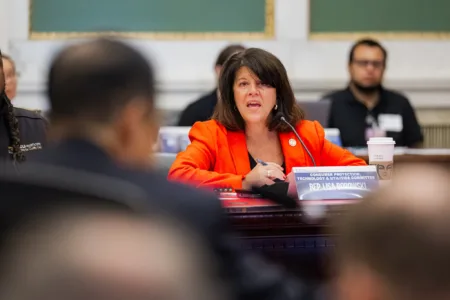
Rep. Lisa Borowski, D-Newtown Square, is drafting legislation that would close what is known as the 'voluntary intoxication' loophole that advocates and lawmakers saw makes it more difficult to prosecute people who have taken advantage of others too intoxicated to consent to sex.
Under New York law, rape charges generally need to involve force or a clear refusal of sex, unless the victim is physically helpless due to being unconscious, or mentally incapacitated due to being drugged without their consent. Prosecutors can't easily bring charges against someone who engaged in sex with someone who voluntarily became intoxicated to the point where their ability to say "yes" or "no" to sex was compromised. Tompkins County District Attorney Matthew Van Houten cited that law as he defended his office's initial decision not to file criminal charges against any of the men sued by a woman who says she was the victim of a gang rape at Cornell in 2024.
Pennsylvania law, according to the Associated Press, is similar to New York’s in that it considers intoxicated victims of rape or sexual assault to be mentally incapacitated only if they became drunk or drugged without their knowledge or consent. There are 25 states, and Washington, D.C., in which whether the victim became intoxicated voluntarily or involuntarily isn’t a factor. Six states do not define that in state law.
"In the near future, I will be introducing legislation to close a dangerous gap in Pennsylvania's criminal statutes -- the so‑called "voluntary intoxication loophole" -- which currently limits justice for victims of sexual assault," Borowski wrote in her co-sponsorship memorandum released Monday. "Under current Pennsylvania law, a sexual assault charge may be harder to prosecute if the victim was voluntarily intoxicated, even when they were incapable of consent. This outdated provision fails to reflect modern understanding of consent and undermines protections for some of the most vulnerable individuals in our communities."
Van Houten said that in her sworn statement to campus police in 2024, the woman didn't allege that she became intoxicated against her will, or was physically forced into sex or was unconscious when it happened.
The woman, identified only by a pseudonym in the civil lawsuit, filed the complaint Sept. 16, saying she was sexually assaulted at the Chi Phi fraternity house on the Ivy League campus in October 2024 after being pressured into snorting ketamine, smoking marijuana and drinking alcohol. She became completely incapacitated while frat members were sexually assaulting her, the lawsuit alleges.
Borowski said her bill will clarify the definition of consent to explicitly include situations where a person is unable to consent due to intoxication, regardless of whether the intoxication was voluntary or involuntary and align Pennsylvania with states that recognize incapacitation from alcohol or drugs as a valid basis for lack of consent.
"This reform is not about changing the burden of proof – it is about ensuring our laws reflect the principle that consent must be knowing, voluntary, and conscious," Borowski said. "No one should be able to exploit another person's impaired state to commit sexual assault without full accountability under the law.