
Strong turnout for Hi-Ed’s SCAM Smart class
Trending
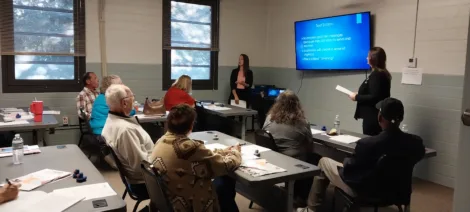
Above full room capacity and high community interest made the free SCAM Smart class hosted by Hi-Ed successful Wednesday.
Presented in partnership with Kinzua Federal Credit Union, the session drew a turnout that packed the room beyond its original capacity. Amy Lyon, CEO/Manager of Kinzua Federal Credit Union, and Amanda Fetzeck, Loan Officer, led the presentation. Breaking down the specific fraudulent scams that are currently targeting local residents, they helped participants recognize scams and learn ways to protect themselves.
"Kinzua Federal Credit Union has been an outstanding partner in helping Hi-Ed bring financial education to the community," said Angela Bigelow, assistant director of the Warren Forest Higher Education Council. "Amy and Amanda truly care about their customers and our community. We're grateful they stepped up to share what they know."
A strong interest in the session has led the Hi-Ed to offer SCAM Smart again in the future. Bigelow hopes participants will share what they learned so others can recognize warning signs before falling victim to a scam.
The state Attorney General's office regularly warns of new scams. Among the tips the office recommends people keep in mind are:
– Never click on links that you did not request to be sent to you.
– Don't answer unexpected calls or texts, especially from unknown numbers.
– Don't click on computer pop-ups.
– Slow down. Scammers want to rush people. Attorney General David Sunday recommends people stop before taking action. Before taking any action, talk with someone trusted. If a caller insists on remaining on the line and not to discuss the issue with anyone else, hang up immediately.
– Never withdraw cash in response to an unexpected call or message. Only scammers will ask for cash for services that otherwise would be able to be paid for with a credit or debit card.
– Never share sensitive information like a bank account information, Social Security number, passwords, pins, or other personal information. If someone is asking for such information, it could be a scam.
– If someone claims to be from a business or government agency, check online for the number to contact that business or agency and contact them directly with any questions or concerns. Legitimate callers will often leave a voicemail message for you to return their call. Scammers often will not leave a message.