
Rural EMS study offers suggestions that may apply to Warren County
Trending
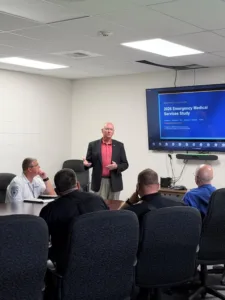
A recently released regional EMS study that includes neighboring Elk and McKean counties includes several recommendations to help rural EMS agencies.
Rep. Martin Causer, R-Bradford, led the local EMS Task Force that created the six-county regional EMS study.
Some of the suggestions included in the study for Cameron, Clearfield, Elk, Jefferson, McKean and Potter counties could offer help for Warren and Forest counties, which find themselves in a similar position with rural EMS services. Elk Township in Warren County responded even though Warren County wasn't part of the study area.
"We have long known there are no quick or easy solutions to the challenges we are facing in EMS, but we have a lot of people who are passionate about this work and are committed to serving our communities," Causer said. "The data assessments, specific recommendations and timelines outlined in the study offer us a path forward, and we will be taking a closer look at them in the weeks ahead to determine our next steps."
The study found most EMS agencies in the region are operating in a deficit, so identifying more reliable funding sources is a top priority. Recommendations to achieve that goal include boosting local municipal funding and subscription/membership programs; pursuing grants from state and federal funding programs; and optimizing billing by improving collection, billing for non-transport services, and pursuing shared or collaborative billing.
With the average number of personnel per agency averaging fewer than 15 people, the study also focuses on ways to optimize current staffing by considering shared staffing that would reduce overtime, spread workload and improve coverage reliability; moving away from reactive mutual aid to planned regional resource sharing; and consolidating administrative tasks, such as billing, grant writing, training coordination and business support functions.
Recruitment and retention are also a focus of the study as they are vital to preserving the current workforce and building upon it. Recommendations include building structured training pipelines by removing financial barriers, creating early interest in EMS careers and building college partnerships; offering competitive compensation and benefits; investing in leadership, mentoring and recognition; seeking funding from the Commonwealth for tuition assistance, scholarships and dual enrollment funding; boosting staff incentives; and better marketing for the opportunities offered in EMS careers.
The study also points to research showing 15-20% of medical calls coming into emergency communications centers don't actually need an ambulance and could be handled in other ways, such as using mobile integrated healthcare or a nurse navigator system to address non-emergency care. It also suggests the need for public education about when to call for an ambulance.
Finally, the study points to the need for improved coordination between EMS agencies and hospitals to ensure faster handoffs of patients in order to get the ambulance back in service; improved communication to reduce delays; and pursuing alternative models, such as nurse triage, community paramedicine and telehealth, to divert low-acuity demand and preserve capacity for true emergencies.
Causer said he hopes to build on the progress made in recent years, which includes increased Medicaid reimbursement rates and support for more affordable and accessible training opportunities. He is also advocating for legislation that would modify staffing requirements, require direct payment by insurance companies to ambulance service providers, ensure Medicaid reimbursement is provided for treatment that does not include transport and create an Office of EMS Commissioner to elevate the voices of ambulance services across the state.
"The bottom line is that, despite the progress we have made over the years, the current system is not sustainable, and I am hopeful the information gathered in the study and the recommendations to address these issues will put us on a path toward sustainability for the future," Causer said.