
Two county efforts win health funding from state
Trending
Two Warren County efforts are part of the Pennsylvania Department of Human Services first qualified projects to receive a portion of $42 million in funding as part of Pennsylvania's $193 million Rural Health Transformation Plan (RHTP).
Overall, 66 projects were authorized to support renovations, make structural improvements, purchase equipment, and secure supplies for qualified entities like hospitals, health care providers, and rural health facilities. "Pennsylvania's RHTP was built to be nimble and responsive to local needs. As we scale up the overall regional structure, this first round of authorized projects show how hospitals and providers will be able to use this funding to assist where support is most needed," said Human Services Secretary Dr. Val Arkoosh. "These projects will make a tangible difference in access to and quality of care available in rural communities. We are excited to see this work come to fruition, and for the opportunities still ahead."
Those receiving funding include:
-- Gaughn’s Drug Store Inc. for $509,895. Gaughn’s Drug Store in Warren will use the funding to renovate the existing physical space to allow for greater capacity to conduct in-person clinical visits in the pharmacy, to leverage expanded technology to implement telehealth for pharmacy services (initially) and for expanded primary care services or even specialty services in the future via partnerships with local or national partners, and to use technology and upgraded infrastructure to improve and expand operational capacity for traditional prescription dispensing and adherence packaging.
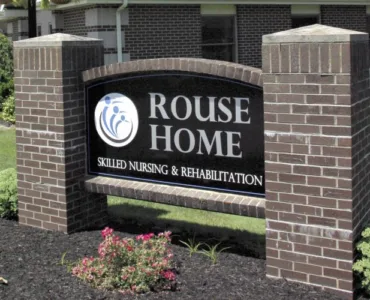
-- Board of Directors of the Rouse Estate for the Warren County Rouse Home for $370,886. The Rouse Home will use funding to purchase 120 specialized low-profile beds designed to improve resident safety, clinical outcomes, and dignity for skilled nursing residents. These beds are equipped with advanced technology that allows the bed frame to lower completely to floor level, significantly reducing the risk of falls and injuries associated with bed-related incidents. Research and manufacturer data demonstrate these beds can reduce falls by approximately 55% and reduce bed fall injuries by up to 100%.
Up to $1 million was available per project and will allow selected hospitals and health care providers to purchase or upgrade emergency and non-emergency medical transportation, expand access to behavioral and maternal health care, purchase medical technology necessary for essential screenings and services, and make critical structural repairs. Distribution is pending approval of selected projects by the Centers for Medicare and Medicaid Services (CMS). A full list of selected projects and information about projects is available on PA DHS' website here.
Pennsylvania was awarded $193 million in federal funding for the first year of its approved five-year RHTP. Year One of the grant will primarily focus on rapid response program payments, while the majority of the plan is built around regional oversight and recommendations for funding. Additional funding opportunities will be announced in the near future. More information about upcoming rapid response funding opportunities is available here.
The Shapiro Administration's RHTP was informed by extensive feedback and the priorities of stakeholders across rural Pennsylvania. Pennsylvania's Departments of Human Services and Health, along with Aging, Insurance, and Drug and Alcohol Programs worked collaboratively with rural stakeholders, community and educational leaders, County Commissioners, and the Pennsylvania General Assembly for more than two years, hosting listening sessions, regional rural health summits, and, most recently, open feedback opportunities specific to the RHTP.
Based on the feedback received, the Shapiro Administration drafted a federally approved, comprehensive plan in line with the Centers for Medicare and Medicaid Services' primary goals. The Commonwealth's RHTP initiatives focus on:
-- Technology and Infrastructure, including the use of consumer-facing applications that support easy access to primary and specialty care;
-- Workforce, including supporting incentives like upfront scholarships, mentoring, short-term housing, and stipends based on a five-year commitment to service in rural communities;
-- Maternal Health Services to provide comprehensive care management and navigation between prenatal and postpartum care, behavioral health, and other services to support safe and healthy pregnancies and parenting;
-- Behavioral Health Services like expanding 988 services and continuing public education on crisis response services;
-- Aging and Access to facilitate safe transitions from hospitalization to care at home and support quality of care in rural long-term care facilities; and
-- EMS and Transportation to modernize rural EMS infrastructure to improve efficiency and sustainability.
RHTP funding comes from the Rural Health Transformation Fund, which was established by the federal budget reconciliation bill last summer. The law included a five-year, $50 billion nationwide grant designed to support rural health. Under federal law, RHTP funds cannot replace existing federal dollars that may be cut or lost due to other program changes.
Funding was allocated by the United States Department of Health and Human Services (HHS) based on rules established by Congress dictating that half of the funding per year will be distributed to each approved applicant state with opportunities to receive additional funding based on state characteristics including rural population, land area, amount of uncompensated care, and the grant submission itself, to be awarded at discretion of the HHS leadership. Unspent funds from states and territories will be reallocated back into the program, so there will be opportunities to pursue additional funding based on program and initiative performance.
For more information on the RHTP and rural health initiatives in Pennsylvania, visit www.dhs.pa.gov/ruralhealth.