Proposal would allow chemical castration of sex offenders
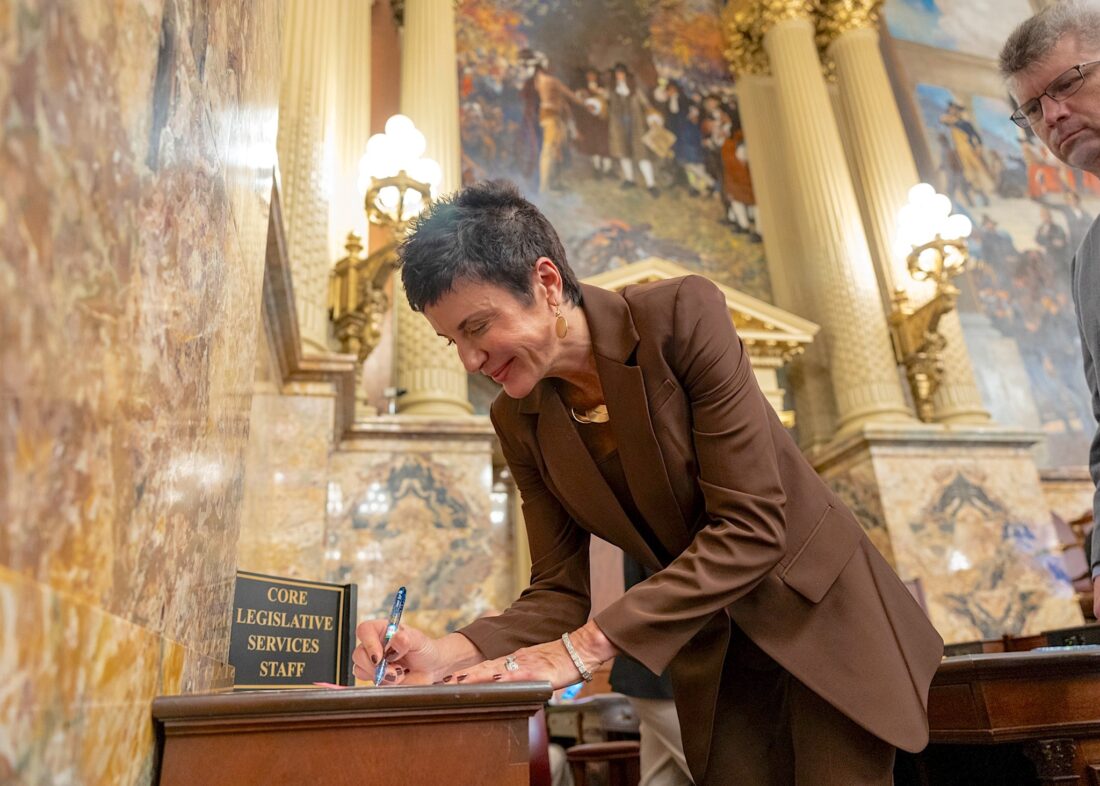
Rep. Marla Brown, R-New Castle
A proposal to allow judges to include castration as a condition in a child rapist’s sentencing is being revived in the state House of Representatives.
Rep. Marla Brown, R-New Castle, is circulating a co-sponsorship memorandum for legislation she is drafting that would allow courts to order the chemical or surgical castration of child rapists to permanently prevent these offenders from reengaging in predatory acts against children.
Brown’s proposal – which is being backed by fellow Republicans Robert Leadbetter and Ryan Warner – follows a 2023 proposal by state Sen. Wayne Langerholc that would have allowed chemical castration.
“Chemical or surgical castration of child rapists will drastically reduce the likelihood that these dangerous predators will reoffend,” Brown wrote in her co-sponsorship memorandum. “The threat of such a severe and lasting consequence will serve as a strong deterrent for potential predators compared to traditional punitive measures. Moreover, considering the heinous nature of child sexual abuse and its immense impact on the lives and well-being of child victims, we believe that this punishment appropriately reflects the gravity of the offense. To date, at least eleven other jurisdictions have passed legislation to permit the chemical or surgical castration of sexual predators, including Alabama, Oklahoma, Georgia, California, Oregon, Montana, Iowa, Wisconsin, and Florida.”
In 2023, Langerholc proposed legislation that would require sex offenders convicted of abusing children under the age of 13 or sex offenders who are repeat offenders to be chemically castrated with a testosterone-reducing drug before parole and until a judge believes the treatment is unnecessary as a means of attempting to deter potential future sex abuse. While Langerholc circulated a co-sponsorship memorandum, he didn’t introduce the bill in 2023.
The Associated Press reported in 2024 that Louisiana lawmakers had given gave final approval to a bill that would allow judges the option to sentence someone to surgical castration after the person has been convicted of certain aggravated sex crimes — including rape, incest and molestation — against a child younger than 13. Several states, including Louisiana, currently can order such criminals to receive chemical castration, which uses medications that block testosterone production in order to decrease sex drive. However, surgical castration is a more invasive procedure.
The AP reported a handful of states — including California, Florida and Texas — have laws in place allowing for chemical castration, but in some of those states offenders can opt for the surgical procedure if they prefer. The National Conference of State Legislatures told the AP it is unaware of any states that currently have laws in place, like the bill proposed in Louisiana, that would specifically allow judges to impose surgical castration.
Louisiana’s current chemical castration law has been in place since 2008, however very few offenders have had the punishment passed handed down to them — with officials saying from 2010 to 2019, they could only think of one or two cases.
“Chemical castration does not cause sterilization and is not permanent,” Brown wrote. “Using castration to control sex offenders’ urges to commit these heinous acts again allows the convicted sex offender, if released on parole, to be released without endangering the public. This legislation would also allow first-time offenders who are not convicted of abusing children, as well as those sentenced prior to enactment of this legislation, to be chemically castrated voluntarily. In other states, offenders have opted to be chemically castrated to ensure they do not reoffend.”
Alabama passed a chemical castration bill in 2019. One of the arguments raised by the American Civil Liberties Union is that castration could violate the Eighth Amendment to the U.S. Constitution.
“It could be cruel and unusual punishment. It also implicates the right to privacy. Forced medications are all concerns,” Randall Marshall, the executive director with the ACLU of Alabama said to television station WSFA in Montgomery, Ala.
Local News

Historical society to hold colonial quilt display
Jail population decreasing; staffing issues persist
The Warren County Prison’s population is decreasing - though staffing at the jail and providing mental health ...
Companies push back on PA bills to ban certain food products
Representatives of the American Beverage Association said Tuesday the proposed bans for artificial ingredients in ...

Proposal would allow chemical castration of sex offenders
Pittsfield resident retires after 30 years with EmergyCare