Lawmakers renew push for medical imaging licensing
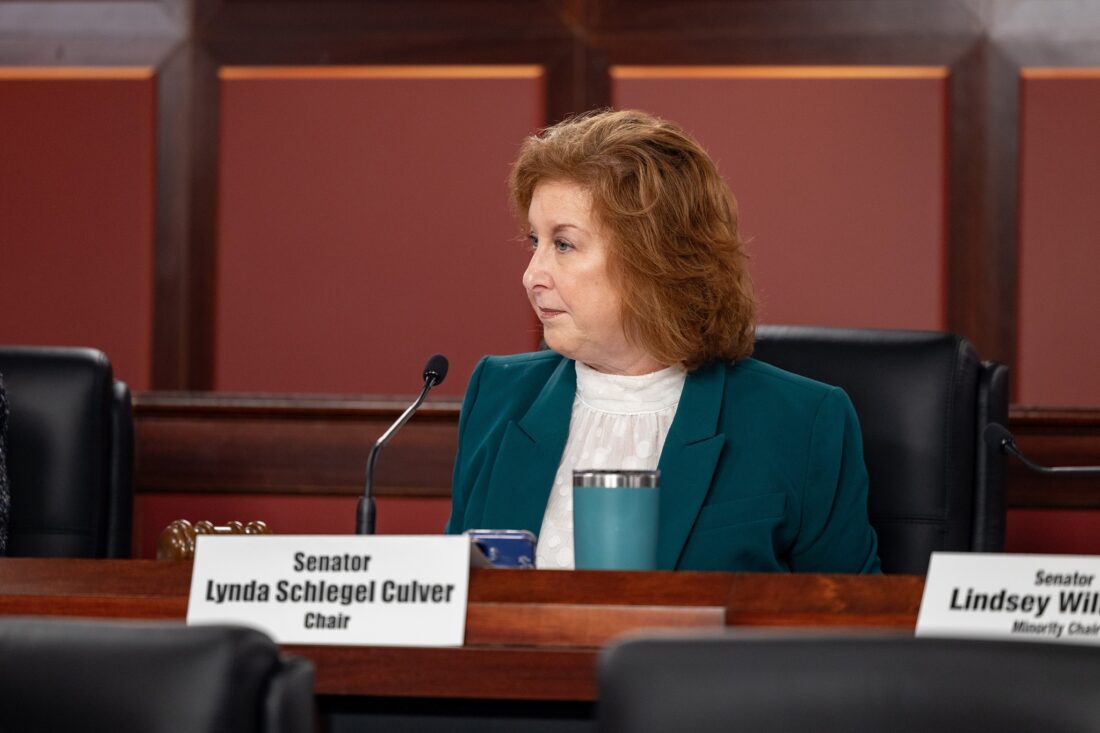
Sen. Lynda Schlegel Culver, R-Shamokin Dam, is pictured during a committee meeting.
A pair of state lawmakers are renewing efforts for state-required licensing of medical imaging technicians in Pennsylvania.
Sen. Lynda Schlegel Culver, R-Shamokin Dam, and Sen. Nick Pisciottano, D-Monroeville, are drafting legislation to require the licensing. It’s at least the fourth attempt at medical imaging technician licensing following legislation introduced in 2017, a bill that passed the state House of Representatives in 2022 and then legislation that passed in the state Senate in 2024.
“Unlike doctors and nurses, there is no state requirement for medical imaging professionals and radiation therapists to be licensed to use sophisticated and highly advanced equipment that enables accurate medical imaging and therapy,” Culver and Pisciottano wrote in their co-sponsorship memorandum. “These new technologies allow advances in medical treatment that once were considered impossible.”
That doesn’t mean that all medical imaging technicians are unlicensed, however. Many employers require certification from the American Registry of Radiologic Technologists. That certification involves completing an accredited educational program and passing a certification exam. Programs are available at the certificate, associate, and bachelor’s levels, with associate degrees being the most common entry point.
Culver and Pisciottano say their bill will create licensing under the state Board of Medicine. Specialty areas within the medical field that would be licensed include radiography (x-ray operation), nuclear medicine, diagnostic sonography (ultrasound), magnetic resonance imaging (MRI), computed tomography (CT), and radiation therapy. The bill also addresses the field of radiologist assistants, which are advanced radiography specialists.
“The bill establishes the scope of practice for each modality, sets requirements for the licensure and renewal of licenses, determines proper training, and develops standards to improve medical imaging and radiation therapy procedures,” Culver and Pisciottano wrote. “Medical imaging professionals work under the supervision of licensed practitioners similarly to medical doctors and osteopathic physicians in the imaging of patients. Those licensed practitioners would not be affected by this legislation, nor would dentists, chiropractors, podiatrists, or veterinarians.”
New York requires medical imaging technician licensing that includes completing an accredited educational program, passing the American Registry of Radiologic Technologists (ARRT) exam, and obtaining a state-specific licensure to practice. More than 75% of states require licensure, with many using ARRT certification as a requirement. Regulations vary by state, often mandating continuing education to maintain licensure.
The 2024 effort to require state licensing of medical imaging technicians was supported by the American Society of Radiologic Technologists, the American Registry of Radiologic Technologists, the Pennsylvania Society of Radiologic Technologists, the Philadelphia Society of Radiologic Technologists and other partner organizations.
“As technology advances in our daily lives, medical imaging equipment is no exception. New radiography equipment is specialized and is allowing advances in the field that used to be only theoretical in nature,” Culver and Pisciottano wrote. “However, these technological advances and enhanced imaging capabilities also bring greater risks associated with exposure to ionizing radiation. Examples exist across the country where ionizing radiation over-exposure has led to avoidable health complications and even death. This bill is the first step in avoiding such risks to Pennsylvania’s patients receiving radiographic imaging services. The legislation will help assure that patients are receiving the highest quality of care administered by medical imaging professionals. Simply put, this legislation is an example of a profession putting their best foot forward to prioritize patient safety while ensuring access to quality, technologically advanced care.”
Local News
Lawmakers renew push for medical imaging licensing

National Comedy Center named #1 Best Pop Culture Museum

Warren County Fair Board brings home awards
Many Democrats are still down on the Democratic Party, a new poll finds
WASHINGTON (AP) — Democratic candidates have notched a series of wins in recent special elections — but a new ...
County receives 15 Youngsville High School proposals
During Wednesday’s monthly County Commissioners meeting, officials announced that 15 proposals had been submitted ...