
Department of Environmental Protection progresses in Chapman Dam well-plugging project
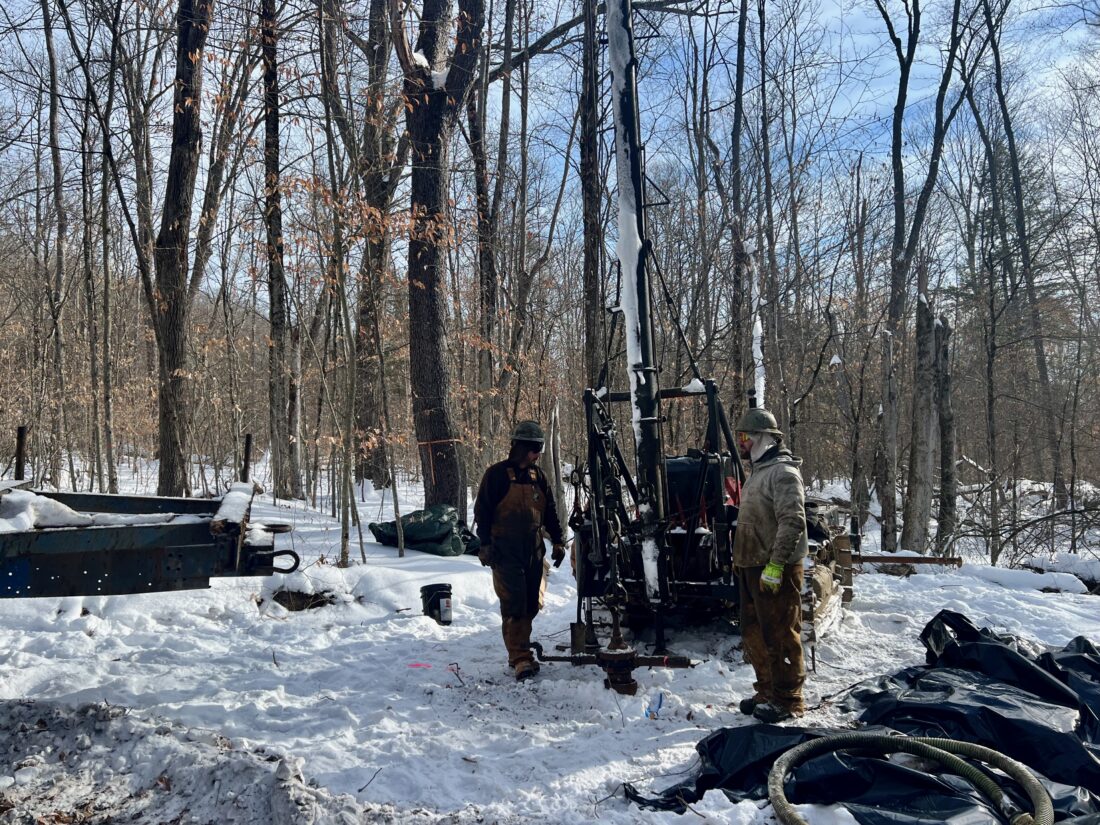
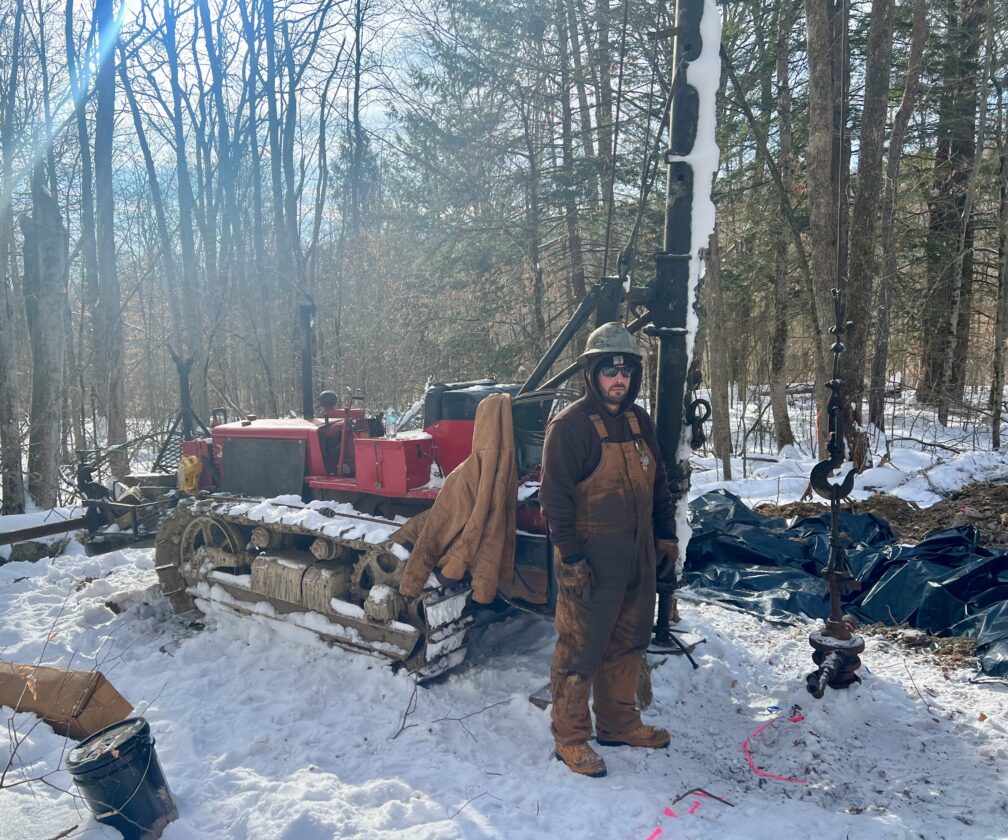
Times Observer photos by Delaney Chase A well on Chapman Dam road being plugged on Thursday, Feb. 5.
-
- Times Observer photos by Delaney Chase A well on Chapman Dam road being plugged on Thursday, Feb. 5.
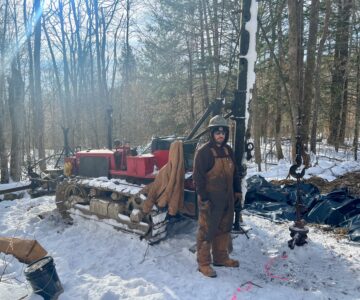
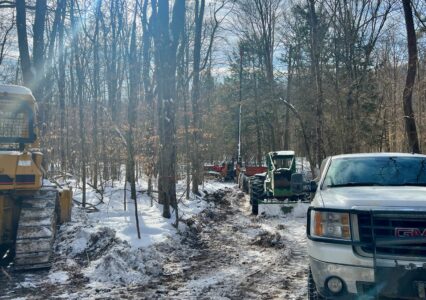
The project involves plugging 18 abandoned oil and gas wells on Allegheny National Forest land in the vicinity of the park. While the wells are not located on state park property, several sit close to sensitive natural resources, including streams and wetlands. According to Tom Decker, regional communications manager of the department, the Chapman Dam project is part of a broader effort to address previously abandoned oil and gas wells, drilled more than a century ago.
Many of the wells date back to the early 1900s, a time when regulations were minimal and plugging practices were far less effective. In some cases, wells were sealed by dropping cannonballs into the wellbore, a practice that failed to prevent the long-term migration of gas and other environmentally harmful fluids.
Determining how many abandoned or orphaned wells exist in a given area can be a challenge. Records from early drilling operations are often incomplete or nonexistent. A well is generally considered abandoned if it has not produced oil or gas for at least a year, while orphaned wells have no responsible owner. Under current regulations, modern wells must be properly plugged once production ends.
The Chapman Dam project is being funded by the U.S. Forest Service through Infrastructure Investment and Jobs Act funding. In 2025, the Forest Service designated approximately $30 million over five years to plug oil and gas wells on federal lands with private mineral rights in Pennsylvania. For the current fiscal year, more than $12 million has been awarded to support projects on Allegheny National Forest lands.
“Without recent funding, we wouldn’t be able to do this,” said Steve Lender, DEP group manager.
Plugging a well can cost between $30,000 and $50,000 if conditions are favorable. However, costs can rise significantly if crews encounter obstructions.
So far, seven wells in the Chapman Dam project have been fully plugged, with four additional wells ready to be cemented. The DEP aims to plug as many wells as possible within a concentrated area to reduce environmental risks and improve efficiency.
Well plugging can help to stop the vertical movement of oil, gas, or water within the wellbore and eliminate pathways that allow those substances to migrate into surrounding soil or groundwater. Crews must remove old rods, tubing, and casing before placing cement plugs above, below, and across all areas bearing oil, gas and water.
Access routes must often be cleared to reach remote well sites, but DEP officials emphasize that these disturbances are temporary and kept as limited as possible.
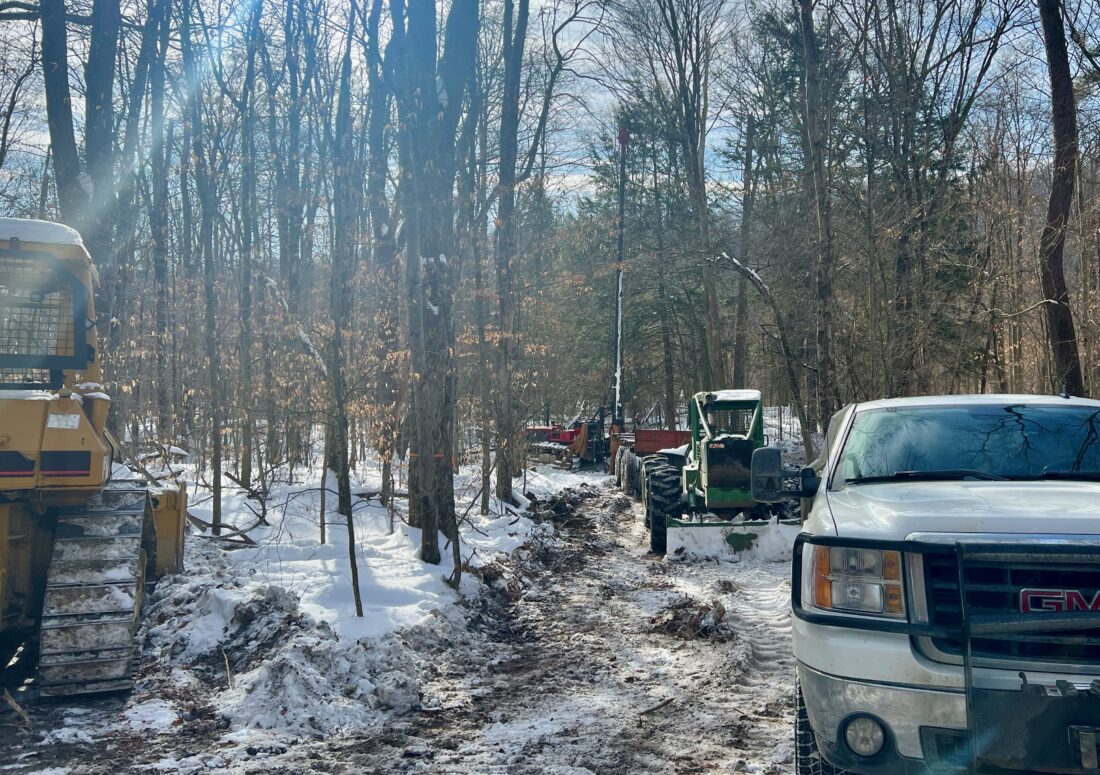
“Before a project is fully done, everything must be restored and we have to make the area green again,” Lender said.
Once a well is fully plugged and the site restored, little evidence remains. In some cases, the area appears untouched, while, in others, only a small, cement-filled pipe is visible.
“It leaves a very small environmental footprint,” Lender said.
In addition to the Chapman Dam project, DEP is overseeing a separate Pine Run project that will plug 44 wells in Elk County, including areas near the Allegheny National Forest’s Marienville ATV trail system. Additional plugging efforts are planned near Routes 666, 321, and 59 later this year.
“Plugging wells on public land protects our shared natural resources,” said Decker. “Wells like these near a natural resource not only protect citizens in the immediate area of the wells, but also any potential downstream users of the resource.”
Local News
WASU to host Valentine’s Day Party for fifth-graders today
Elk County man sentenced to jail time
An Elk County man has been sentenced to between 8 and 23 months in jail as well as 3 years probation after pleading ...
Thompson challenger kicks off campaign

GT Thompson announces re-election bid
Senate bill seeks to speed up well plugging
Legislation that would help speed up the process of plugging abandoned oil and gas wells has passed the state ...