Senate passes breast cancer screening bill

Sen. Kim Ward, R-Westmoreland, is pictured during a recent news conference with several fellow Republican senators.
Insurers covering Pennsylvania patients may be required to cover more comprehensive genetic breast cancer screening starting later this year.
On Monday, the state Senate unanimously passed Senate Bill 8, with the legislation now headed to the House of Representatives for consideration. Sen. Kim Ward, R-Westmoreland and Senate president pro tempore, sponsored the bill.
“We know that Senate Bill 8 will save lives and I am proud to partner with Sens. Robinson and Pennycuick on this bill that will benefit thousands in our state and future generations to come,” said Ward. “I know first-hand the importance of genetic testing and supplemental screenings. In fact, had more testing and screening options been covered by insurance when I was diagnosed, my breast cancer may have been caught sooner or I may have considered a different treatment option.”
Senate Bill 8 specifies that minimum coverage required includes all costs associated with one supplemental breast screening every year, eliminating out-of-pocket costs associated with BRCA-related genetic testing and counseling as well as supplemental screening such as breast MRI and ultrasound for women at high-risk. High-risk conditions covered by the bill include, dense breast tissue, personal history of breast cancer, family history of breast cancer, genetic predisposition and prior radiation therapy.
The bill defines “supplemental breast screening” as a medically necessary and clinically appropriate examination of the breast using either standard or abbreviated magnetic resonance imaging. If those tests aren’t possible, then ultrasound if recommended by the treating physician to screen for breast cancer when there is no abnormality seen or suspected in the breast will be covered by insurance.
“I’m so encouraged the entire Senate body, Republicans and Democrats, came together for Senate Bill 8 to rally behind those folks who could use it most,” said Sen. Devlin Robinson, R-Pittsburgh. “This bill is personal to so many as we all have been affected by cancer in some way. Not having to worry about the price tag of BRCA screenings or MRIs is a huge weight lifted, and lives will be saved.”
The legislation expands upon Act 52 of 2020, which, for the first time, required insurers to cover breast MRIs and ultrasounds for women with high-risk factors, Ward said.
Local News
Report finds fewer students, more spending in schools
At 1.5 million, fewer students today attend Pennsylvania’s public schools than in 2019 by roughly 7%. That ...

Chautauqua County has hope for former Bush plant
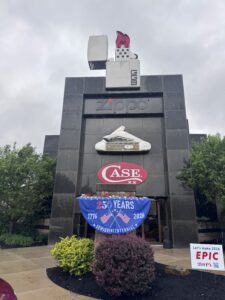
America 250 event planned by Zippo Manufacturing
Jamestown Civil Air Patrol Cadets receive awards and recognition
Cadets of the Jamestown Civil Air Patrol Composite Squadron NY 402 held an awards ceremony honoring milestone ...
House votes to revoke tax break for data center industry
The state House on Thursday gave bipartisan approval to revoking a sales tax exemption for equipment for data ...