State rep. to NFL: Don’t make us watch the Ravens
-
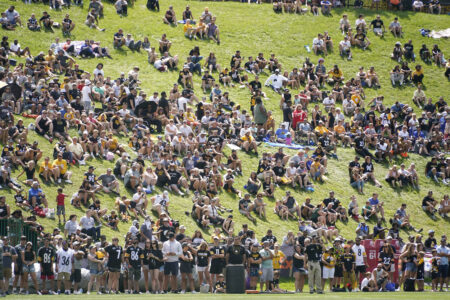
- AP Photo Pittsburgh Steelers fans watch as the team practices during practice at their NFL football training camp facility in Latrobe, Pa. in July.
-
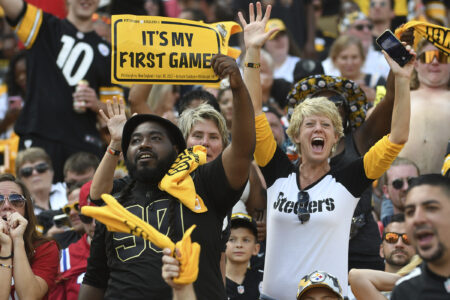
- AP Photo Pittsburgh Steelers fans cheer during the second half of an NFL football game between the Pittsburgh Steelers and the New England Patriots in Pittsburgh, Sunday, Sept. 18.
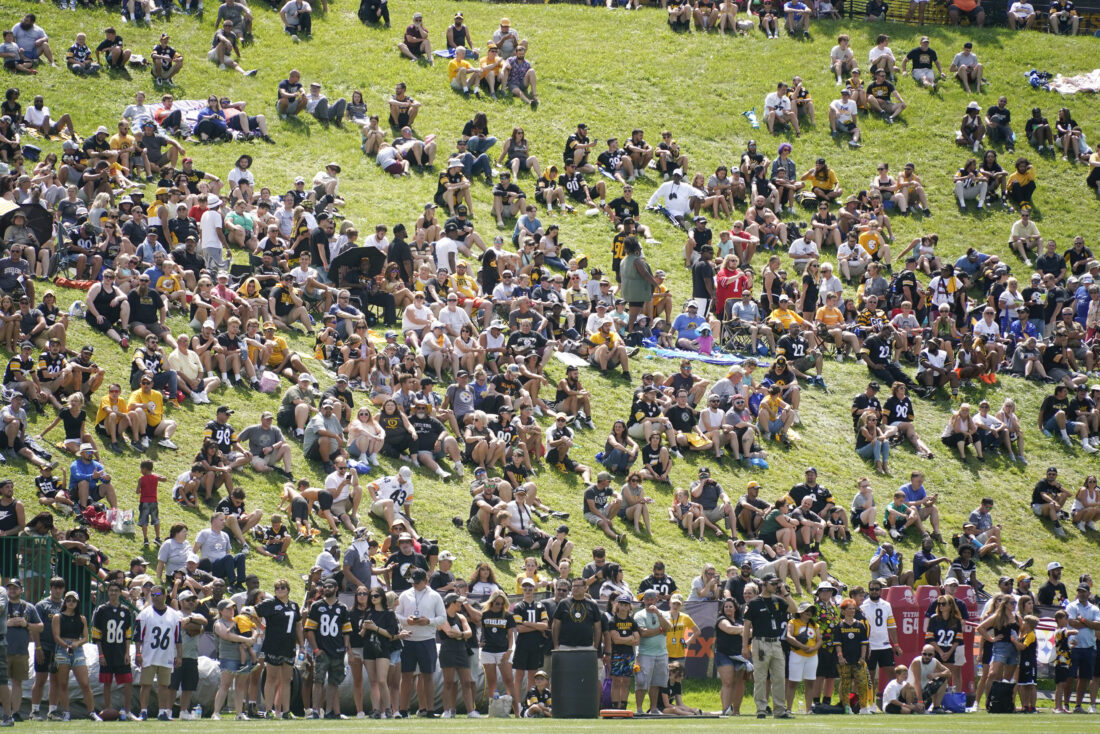
AP Photo Pittsburgh Steelers fans watch as the team practices during practice at their NFL football training camp facility in Latrobe, Pa. in July.
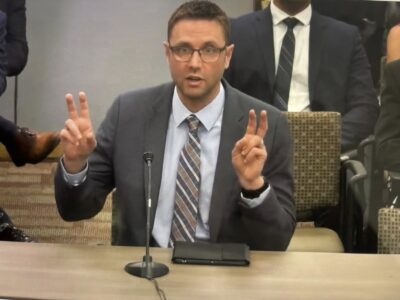
Pennsylvania is Steelers and Eagles country — and state Rep. Patty Kim wants the National Football League to remember that when deciding which games are broadcast.
Parts of Pennsylvania that are more than 75 miles from Pittsburgh — which is a considerable portion of the state — aren’t guaranteed to have the Steelers or Eagles on broadcast television each week because of the way the NFL assigns secondary market games. Kim takes particular umbrage at areas where the Baltimore Ravens are assigned secondary market priority over the Steelers in Pennsylvania.
“The midstate is Steelers Country and no one whose blood runs black and gold should be forced to watch the Ravens,” wrote Kim, D-Dauphin County. ” Often, fans sit down on a Sunday afternoon to watch the Steelers and instead are forced to watch the Baltimore Ravens due to decisions made by out-of-state and out-of-touch executives. NFL fans should have a say in which games are broadcast in their region. Viewing options should not be dictated by secondary market decisions forcing national broadcast partners to air certain games with no consideration for the fans in the affected region.”
The league itself designates secondary markets that are usually near primary markets — for example, areas within 75 miles of a stadium but that don’t have an NFL team. Those markets will be required to show the most local NFL team’s away games but aren’t obligated to show sold-out home games. Their decision on whether to show home games typically depends on whether the NFL-designated local team is perceived to be the most popular in the market. The Harrisburg has been designated a secondary market for the Baltimore Ravens, and not the Steelers, meaning the Harrisburg CBS affiliate, WHP-TV, has to show Ravens away games, which can lead to conflicts between Ravens away games and Steelers games at the same time.
Kim wants to see the FCC work with the NFL and broadcasters to remedy the problem and include fan input when deciding secondary markets. She said not only are secondary market decisions a problem for fans watching at home but can hurt television stations forced to broadcast less-popular teams and local bars and restaurants that don’t draw as many patrons for out-of-market games.
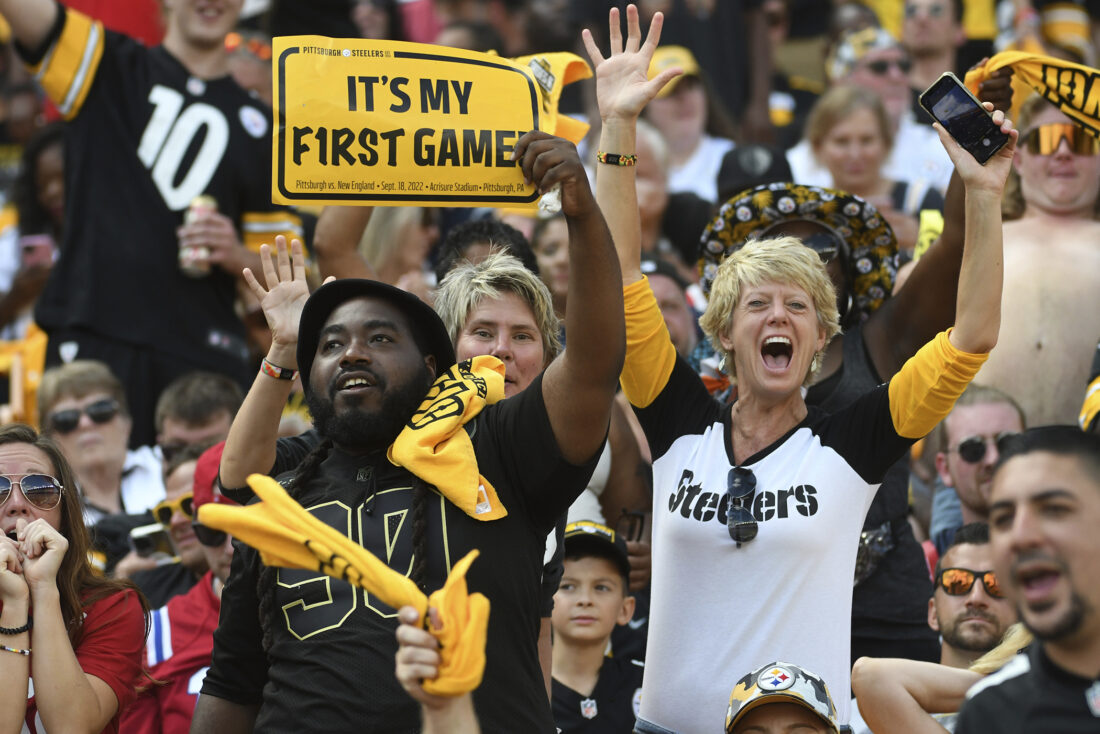
AP Photo Pittsburgh Steelers fans cheer during the second half of an NFL football game between the Pittsburgh Steelers and the New England Patriots in Pittsburgh, Sunday, Sept. 18.
The Pennsylvania Democrat isn’t the only one to push for reforms, but past federal legislation has never progressed very far. Former U.S. Sen. Arlen Specter of Pennsyvania was one of those who challenged the NFL’s antitrust exemptions that allow it to set blackout rules for televised games, calling on the Justice Department to investigate the NFL’s rights deal with ESPN in 1987. Specter argued the federal Sports Broadcasting Act applied only to games broadcast over the air, not on cable. The Justice Department declined to take action.
Other legislative efforts largely became moot when the NFL decided on a yearly basis to end local blackout restrictions if a game isn’t sold out – but that decision doesn’t change secondary market decisions.
“Dedicated football fans, local gathering spots, and even broadcast networks should not be negatively impacted by secondary market decisions,” Kim wrote. “Please join me in supporting this resolution. It’s time to put up a Steel Curtain along the Mason-Dixon Line and make sure Steelers fans get Immaculate Reception.”
Local News

Chief Cornplanter Council holds volunteer recognition dinner
Documents reveal depths of Tidioute water crisis
More than two months after a boil water advisory was first issued for customers of the Southwest Warren County ...

‘Empowering’ example
State invests $21M to support victims of crime, prevent youth violence and delinquency
This week, members of the Pennsylvania Commission on Crime and Delinquency (PCCD) approved more than $21 million in ...
Domestic incident led to felony gun charges
A domestic incident in February led Warren police officers to get the federal Bureau of Alcohol, Tobacco and ...