‘Just Doing Our Duty’
Allegheny National Forest personnel aid in fire fight
-
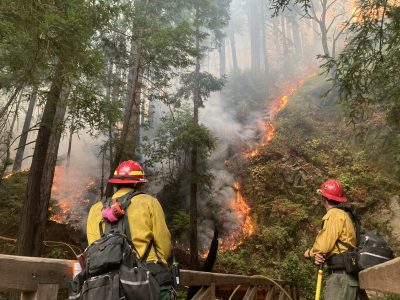
- Photo submitted to the Times Observer Local resources from the Allegheny National Forest are being used to help combat western wildfires on Arapaho and Roosevelt National Forests.
-
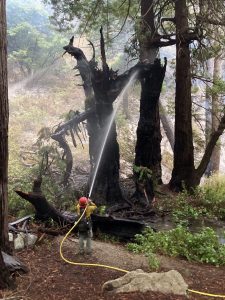
- Photo submitted to the Times Observer Local resources from the Allegheny National Forest are being used to help combat western wildfires on Arapaho and Roosevelt National Forests.
-
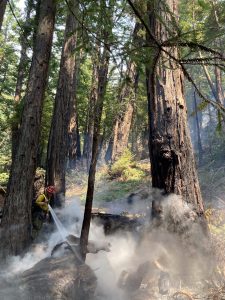
- Photo submitted to the Times Observer Local resources from the Allegheny National Forest are being used to help combat western wildfires on Arapaho and Roosevelt National Forests.
-
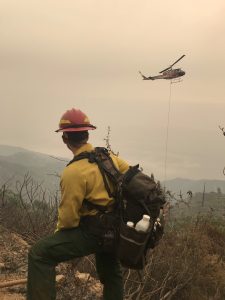
- Photo submitted to the Times Observer Local resources from the Allegheny National Forest are being used to help combat western wildfires on Arapaho and Roosevelt National Forests.
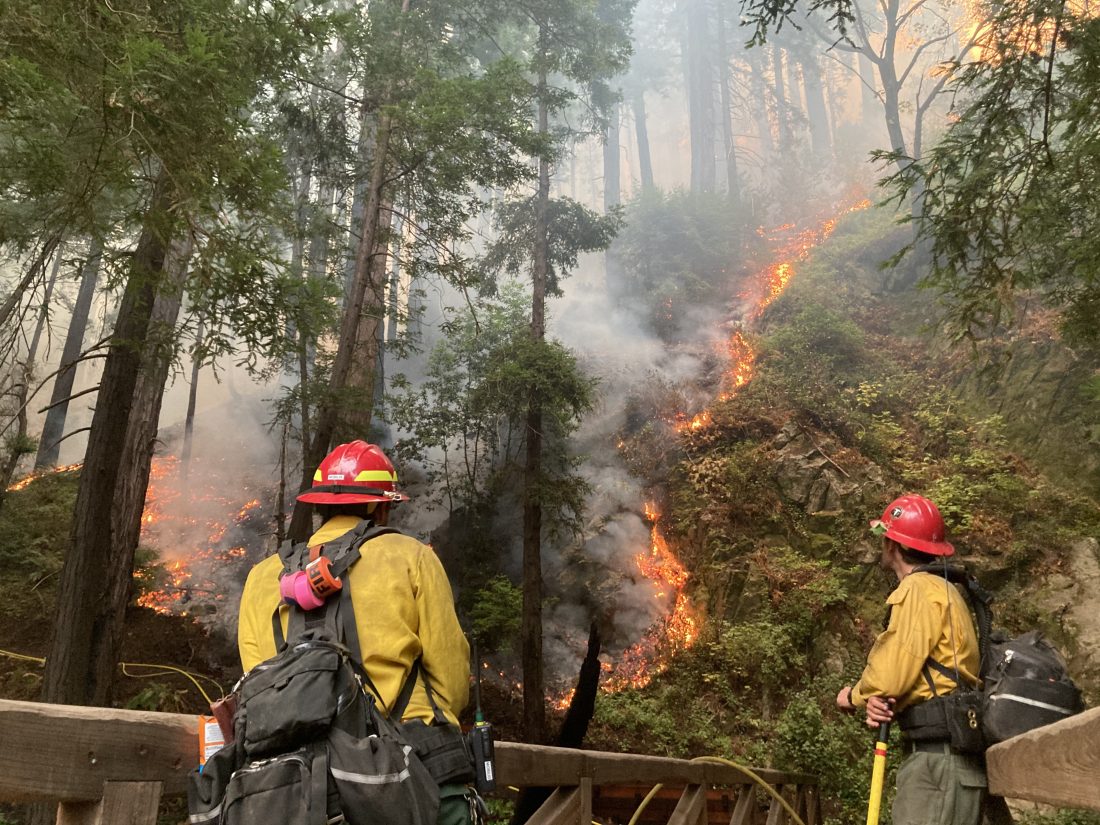
Photo submitted to the Times Observer Local resources from the Allegheny National Forest are being used to help combat western wildfires on Arapaho and Roosevelt National Forests.
Personnel and equipment from the Allegheny National Forest are helping their counterparts fight western wildfires this season.
Since the beginning of August, Engine Captain Robert Goulding and his crew have spent more time away than they have at home.
Over the weekend, Goulding and his crew drove their Type 6 Engine to Colorado to assist with wildfires on the Arapaho and Roosevelt National Forests.
“We will be an initial attack resource for the forests, available to jump on new small fires and keep them small as well as assisting as needed with either of the large fires,” Goulding said.
The two large fires are the Cameron Peak Fire in the north zone and the Williams Fork Fire in the south zone.
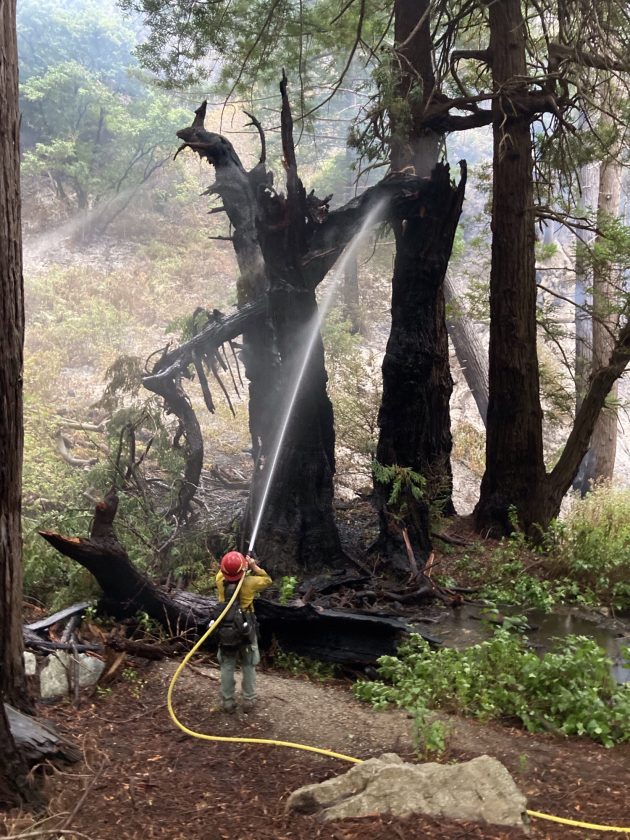
Photo submitted to the Times Observer Local resources from the Allegheny National Forest are being used to help combat western wildfires on Arapaho and Roosevelt National Forests.
As of Tuesday, the Cameron Peak Fire was estimated at over 125,000 acres and 21 percent contained.
The Williams Fork Fire was showing almost 13,000 acres, with only 14 percent containment.
“This current trip is for 14 days with a potential to extend to 21 days,” Goulding said. “Extension would be dependent upon conditions in Colorado and our conditions back on the Allegheny.”
Their first priority is the Allegheny National Forest.
“We will be headed into our fall fire season toward the end of October as the leaves fall,” he said.
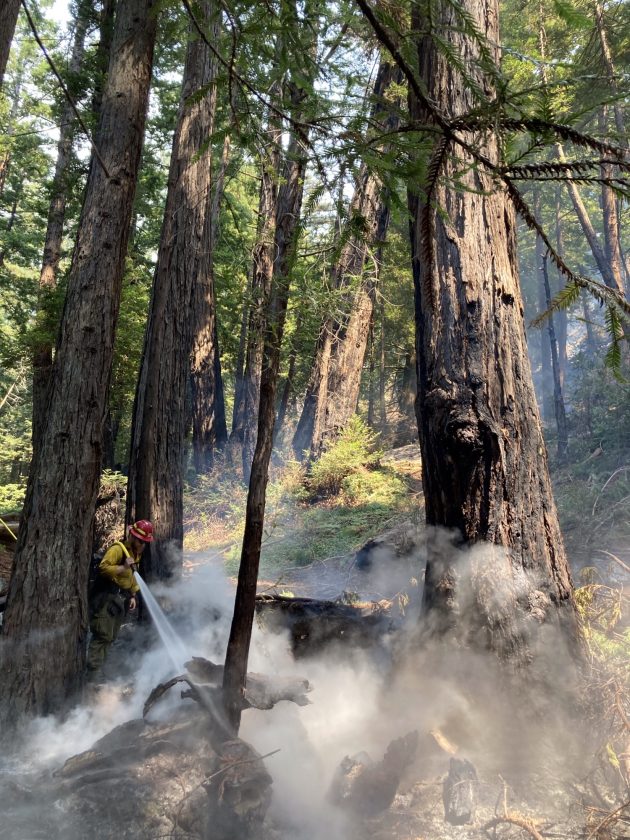
Photo submitted to the Times Observer Local resources from the Allegheny National Forest are being used to help combat western wildfires on Arapaho and Roosevelt National Forests.
The crew just returned from a western tour.
“We left Pennsylvania on Aug. 6, reported to the Los Padres National Forest in California, and returned Sept. 12,” Goulding said. “We were originally ordered for preposition with the area in high fire danger and a high increase in visitor activity due to COVID-19.”
They were working 12- to 14-hour days, he said, “patrolling the North Zone from Big Sur to King City looking for new starts and informing visitors about designated road closures and fire restrictions.”
Those orders changed. “On the night of Aug. 18 we got a call that the Dolan Fire had started and we would report to it first thing the next morning,” Goulding said.
“Dolan Fire was human cause for the start but I’m not sure what info has actually been released as to the details,” he said. “This was a very good but challenging fire. Steep terrain, record high temperatures, wind events, extremely dry fuel moistures and COVID-19 created the challenges.”
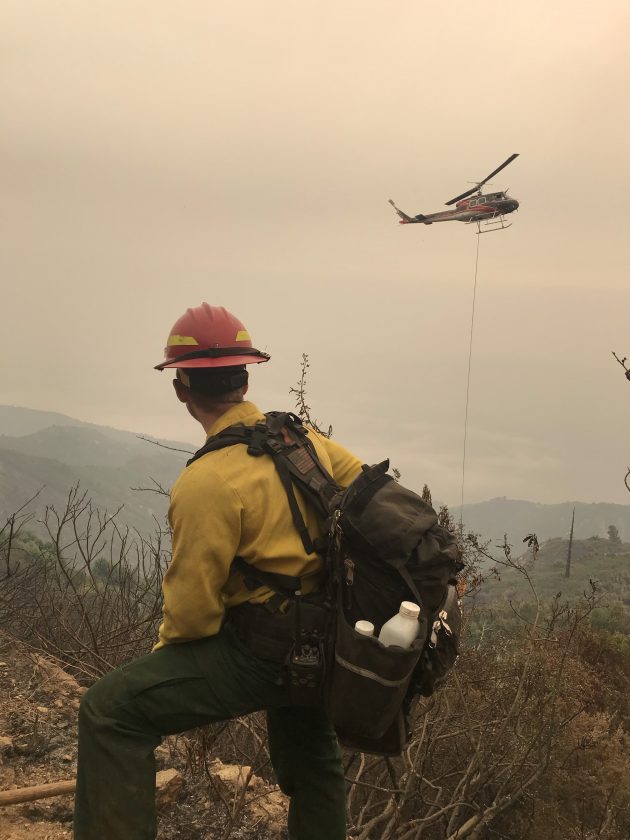
Photo submitted to the Times Observer Local resources from the Allegheny National Forest are being used to help combat western wildfires on Arapaho and Roosevelt National Forests.
“We were on the fire for 21 days and worked 16-hour days,” he said.
There were many fires burning at the same time, putting high demands on personnel and equipment.
“Resources were stretched thin across the nation and sometimes it would take a while to get the resources you needed, if you got them at all,” Goulding said.
The Type 6 provided some versatility, he said. “Our engine was able to do a number of different assignments: structure protection, putting in hoselays, cutting sawlines, scrapping handline, supporting burnout operations, and working with aircraft support.”
“A good portion of the time we were protecting the buildings and infrastructure at Julia Pfeifer Burns State Park which included a small burnout operation in a redwood stand,” he said. “Redwood trees are fire adapted species that thrive after moderate to low intensity fires go through them.”
“The Los Padres assignment was 30 days with two days off while out there. We were assigned to the Dolan Fire for 21 of those 30 days,” he said. “Including travel there and back we were gone for a total of 38 days.”
That’s a long time to spend on a fire assignment, even for a 17-year veteran in fire like Goulding.
“Thirty-day dispatches are pretty rare but 14-day and 21-day dispatches are pretty common,” he said.
When the crew left the Dolan fire, it was at 102,000 acres. It has grown since. On Friday, Goulding said the fire was up to 128,000 acres at 46 percent containment.
From August through the first week or two of October, the crew will have been away from home for well over 50 days.
“We are happy to help,” Goulding said. “The Dolan Fire was a great opportunity for myself and my crew to put into practice what we train for.”
“It was a great opportunity for the younger crew members to gain western fire experience and lend a helping hand during a tough time,” he said.
There are three full-time employees — the captain, an assistant, and a senior firefighter — and two seasonal employees in the engine module.
“Fire is our full-time job — fire suppression, controlled burns, and fire prevention,” Goulding said.
He has been the engine captain for four years.
“Previous to working here I worked on the Coconino and Apache Sitgrieves National Forests in Arizona, the Carson in New Mexico, the Arapaho and Roosevelt National Forests in Colorado, and Cape Cod National Seashore in Massachusetts,” Goulding said. “Throughout my career I have worked on engine, handcrews, fuels crews and hotshot crews in a fire capacity.”
“On the Allegheny we have a strong representation of militia firefighters — forest employees that fire is not their main duty,” he said.
“Our militia firefighters assist with local fires, controlled burns and western assignments when additional firefighters are needed,” he said. “We are very fortunate on the Allegheny to have a good number of militia firefighters and supportive management that step up to the call year after year to lend assistance in all of these aspects.”
Responding to a fire away from the ANF is not a mandatory assignment.
“We are not required to travel and help off our own forest but it is encouraged,” Goulding said. “If we are good at home and have willing and able bodies, we are encouraged to have the module available to assist when and where we are needed.”
“Honestly for us, it’s just doing our duty,” he said. “It’s what we do. We love doing our job and it’s seasons like this one that really push you and allow you to grow and develop into better firefighters and land managers, as well as knowing that you were able to contribute and help where you could.”
Local News

Warren County receives Trail Town recognition
Warren’s Tellmann made mark in Milwaukee
Judge denies motion to dismiss charges against Sugar Grove man
A judge has ruled against a motion to dismiss the charges filed against a Sugar Grove man accused of ...
Jamestown native works on NASA’s Artemis II, receives special invite to launch
Warren to host new U.S. Forest Service regional headquarters amid national overhaul