
Raccoons get around during the night
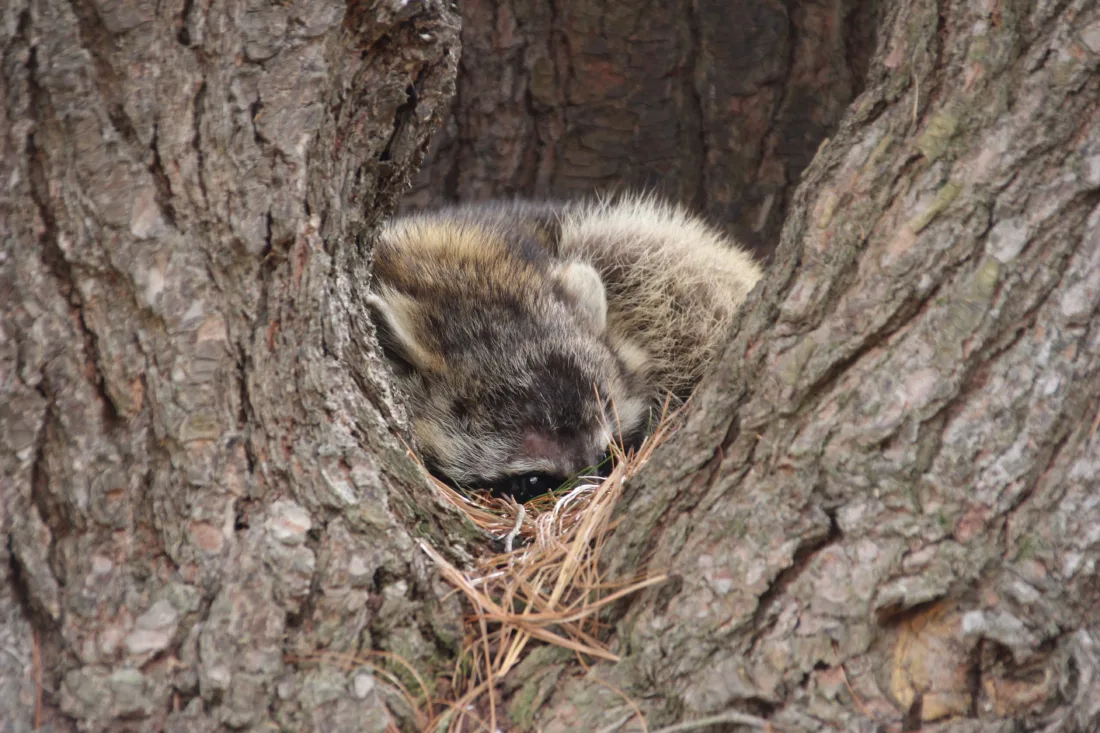
A raccoon is curled up in the crook of a tree.
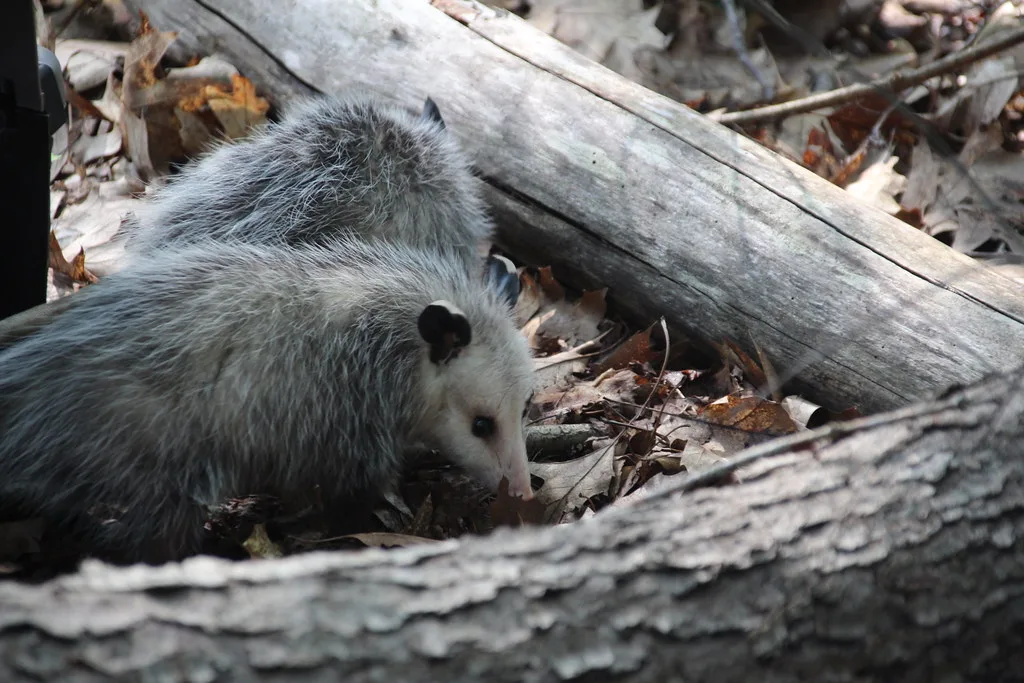
Opossums are another nocturnal animal to keep an eye out for on roadsides.
A raccoon is curled up in the crook of a tree.
Opossums are another nocturnal animal to keep an eye out for on roadsides.
Trending
As November comes around, so does the end of Daylight Savings Time, and the sun sets ever earlier until the winter solstice in December. Over the summer, it takes a bit more time and effort to engage with a post-sunset world, but late fall brings nighttime to us. Human activity now has a much higher chance of interacting with those animals who are typically nocturnal or crepuscular. This crossing of paths happens because people are out in the dark more, but also because many animals are on the move in the fall.
Deer collisions are highest in November due to both increased nighttime driving and the rut, when deer abandon some of their usual routines for the breeding season. Porcupines are also in mating season and are more likely to be hit by a car as they travel around. Young skunks and opossums are reaching maturity and leaving their mother and siblings to strike out on their own, sometimes crossing roads on their journeys. Another nocturnal animal, raccoons, are likely to end up roadkill as they move around looking for food and shelter during the colder nights.
Raccoons are ubiquitous for their interactions with human-dominated spaces. When I go to outreach programs in school and the community on behalf of Audubon Community Nature Center, we usually bring a few animal furs along. Visitors to the table recognize the fox immediately. When they come to a raccoon pelt, sometimes they get it right away, but sometimes they need a hint. Typically, one hint will get them to the correct answer every time. The hint? This animal will eat almost anything. Raccoons have the nickname of trash pandas. The panda part is because they have a black mask of fur around their eyes like a Giant Panda, and the trash part is because they are dexterous scavengers that get into trash cans searching for food and sometimes making a mess.
A raccoon is not just a trash can raider. While they won't actually eat anything and everything, they are able to eat a wide variety of foods. They are omnivores that consume fruits, nuts and seeds, grains, insects and crayfish, rodents, eggs, and carrion. Raccoons are also opportunistic, or facultative, scavengers. Scavengers are an important part of the ecosystem in natural settings. They can consume carcasses and thus are reducing the spread of disease, recycling nutrients, and quite frankly, just cleaning up the forest floor for other animals and humans alike. Raccoons and most animals that eat carrion are opportunistic and also eat fresh meat, insects, plants, or other foods. In contrast, vultures are the only obligate scavengers around here that require carrion as a food source.
Raccoons tend to search out fresh food rather than carcasses, but they won't pass up the opportunity if they stumble across one. The same is true of a human's leftovers. Raccoons are able to take what they can get, and sometimes that includes half a pizza from the dumpster. Raccoons are the embodiment of adaptability. They do perfectly fine in their natural forested habitat, but habitat loss due to human development means they have to figure out how to thrive in towns and cities just as well. They can eat human food, even if it’s not always good for them, and if they are able, they will get into chicken coops, gardens, or crop fields. In a forest, they make dens in tree hollows or abandoned burrows, but they can also use brush piles, chimneys, attics, or barns. They have dexterous paws with five fingers that resemble our own, allowing them to get into spaces other animals can't, and they rely on their sense of touch to explore the world around them.
Unfortunately, raccoons often have a reputation for being dirty and for carrying diseases, mostly rabies. They can be carriers so don't go out and try to pick one up, but just because you see a raccoon out in the day does not mean it's automatically sick. Sometimes, especially in summer when the days are longer, nocturnal animals are seen out in daylight. It's a normal occurrence. An animal will generally exhibit other signs of illness or be abnormally aggressive if it's ill.
Urban animals, like raccoons, opossums, gulls, mice, and deer get a bad rap because their human interactions leave them feeling like a nuisance or a danger. In the fall, when the sun rises later and sets earlier, these interactions increase, especially with nocturnal animals. During the colder months, you can make sure not to leave trash cans out longer than necessary and try to feed any pets indoors if possible. While a collision is sometimes unavoidable, we can decrease the odds by reducing distractions in the car and keeping a careful eye out for these nocturnal animals this fall. In the end, we are just sharing these animal's natural habitats, so take the earlier sunsets as an opportunity to learn more about some of your nocturnal neighbors.
Audubon Community Nature Center builds and nurtures connections between people and nature. ACNC is located just east of Route 62 between Warren and Jamestown. The trails are open from dawn to dusk and birds of prey can be viewed anytime the trails are open. The Nature Center is open from 10 a.m. until 4:30 p.m. daily except Sunday when it opens at 1 p.m. More information can be found online at auduboncnc.org or by calling 716-569-2345.