
Woolly Bear familiar fall sight
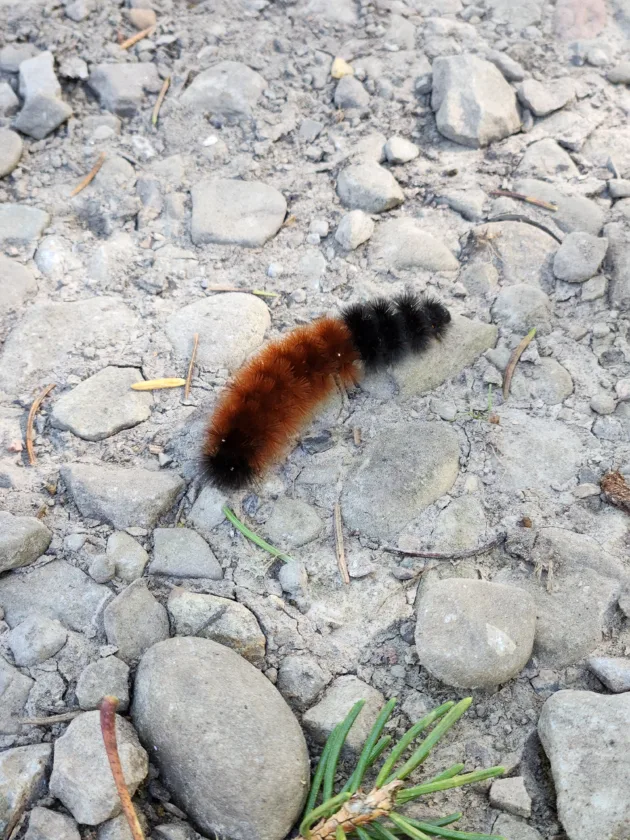
Woolly bear caterpillars are often found along trails in the fall.
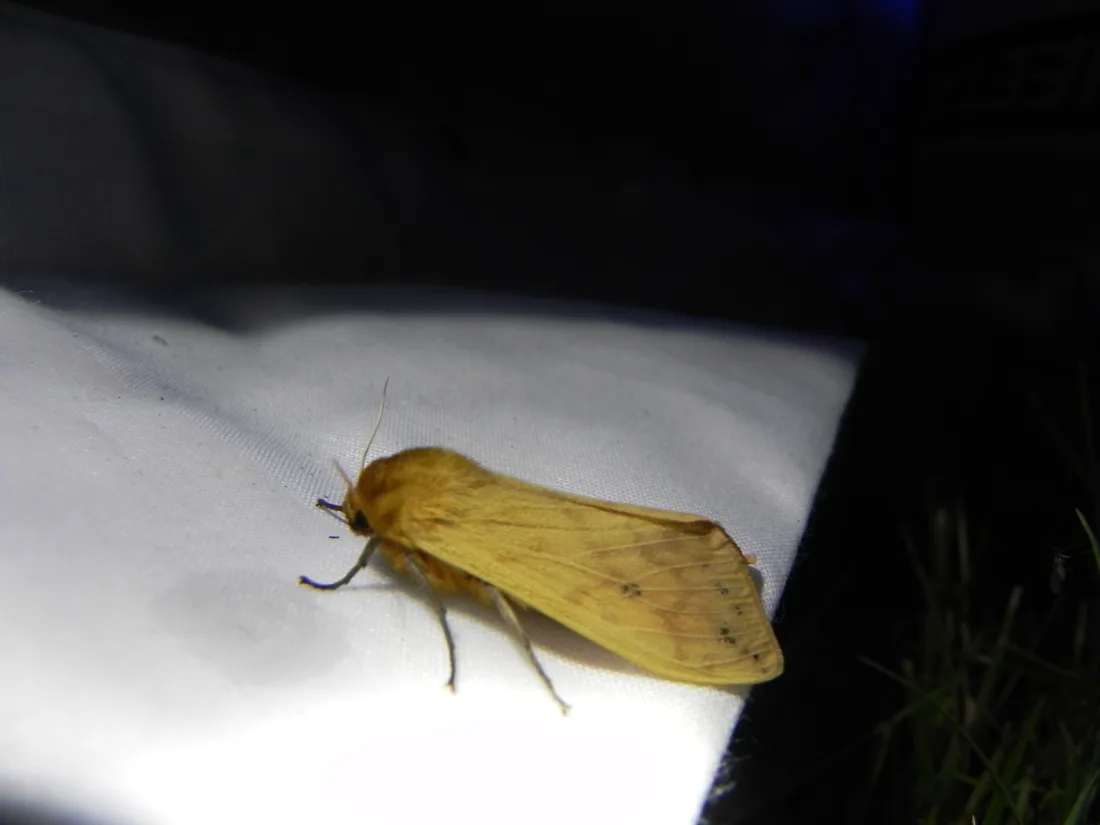
In the spring, woolly bears will form a cocoon and emerge as Isabella Tiger Moths.
Woolly bear caterpillars are often found along trails in the fall.
In the spring, woolly bears will form a cocoon and emerge as Isabella Tiger Moths.
Trending
If you’ve been out and about in nature in the past few weeks, chances are you’ve stumbled upon a little furry friend. With bands of black and brown, the woolly bear caterpillar is a sure sign that fall is underway, and winter is just around the corner. At Audubon, these little guys can be found all over, crawling across our trails, sidewalks, and occasionally turning up inside the building as they search for food or a cozy spot to stop and rest.
These fuzzy guys are certainly adorable, and a favorite find for field trip groups and campers at ACNC. Often, we will spend time watching them crawl down a trail, imagining where it is going or what it is looking for. Occasionally, when we find a caterpillar on the sidewalk, in the parking lot, or crawling through our exhibit hall inside, we’ll move it to a safer place that is filled with plenty of plants to snack on. While some caterpillars, like monarchs, are specialists that can only eat certain species of plants, woolly bears are generalists and able to eat many types of plants, such as grasses, dandelions, and clover, making a safe home for them easy to find.
When moving a woolly bear, some students are nervous about touching them. This nervousness is not entirely misplaced. Many fuzzy caterpillars around here, like the Hickory Tussock Moth caterpillar found commonly in the summer, can cause an itchy rash if touched. Their small stiff hairs act like tiny needles covered in a rash-inducing chemical. The woolly bear, however, is mostly harmless and lacks the itchy chemicals found on other fuzzy caterpillars, only irritating the skin of highly sensitive people.
There is also a common statement that I often hear regarding these caterpillars; that they can predict the length of winter. Supposedly, if the caterpillar has a wide brown band, the winter will be mild and short. If the caterpillar has a narrow brown band, the winter will be harsh and long. If this were the case, my findings this fall would cause quite a bit of confusion, as I’ve found a range of patterns, from almost entirely brown to only the slimmest brown band. While I would love an easy way to predict winter, using caterpillars is not going to help. The width of the bands is simply an individual characteristic of each caterpillar and can also change as they grow.
Woolly bears are mostly seen in the fall as they crawl along the ground, but that doesn’t mean they aren’t here at other times of year. In fact, they are here all year long. Unlike monarch butterflies that migrate away for the winter, our woolly bears stay in caterpillar form all winter long. As fall progresses, they will find a place to hide, often under leaves, logs, or pieces of bark. The caterpillars will stay dormant all winter long. Their bodies will freeze entirely solid and they can survive temperatures well into the negatives. Once the warmth of spring returns, they will thaw out and continue to eat before weaving a cocoon and transforming into an Isabella Tiger Moth. These moths are 1.5 - 2.5 inches long and mostly orange in color, with black dots on their wings and bodies. They are a nocturnal moth that is often attracted to lights on summer nights and are an important food source for our local bat population.
As you enjoy the fall weather, keep an eye on the ground and you are likely to see a woolly bear crossing your path. When you tidy your yards for the winter, keep these little creatures in mind. Leaving leaves, logs, and sticks give a safe place for the caterpillars, and many other creatures, to spend the cold winter months, and in the spring, you will be rewarded with a yard flourishing with life.
Audubon Community Nature Center builds and nurtures connections between people and nature. ACNC is located just east of Route 62 between Warren and Jamestown. The trails are open from dawn to dusk and birds of prey can be viewed anytime the trails are open. The Nature Center is open from 10 a.m. until 4:30 p.m. daily except Sunday when it opens at 1 p.m. More information can be found online at auduboncnc.org or by calling (716) 569-2345.