
Colorful changes right before our eyes
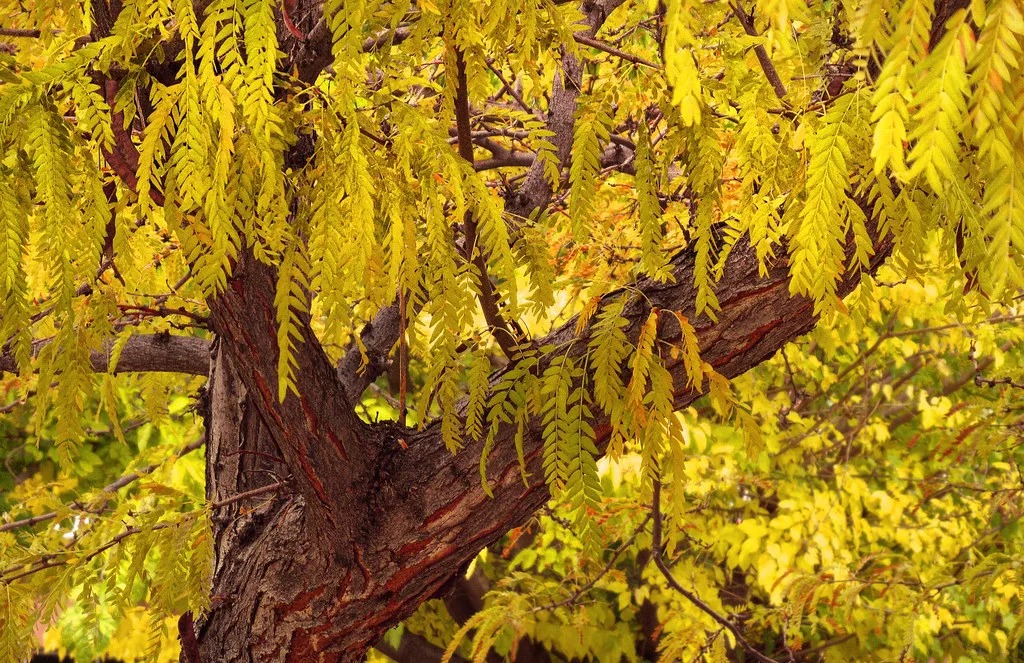
Photo by Arby Reed Locust trees turn bright yellow each fall before dropping each individual leaf.
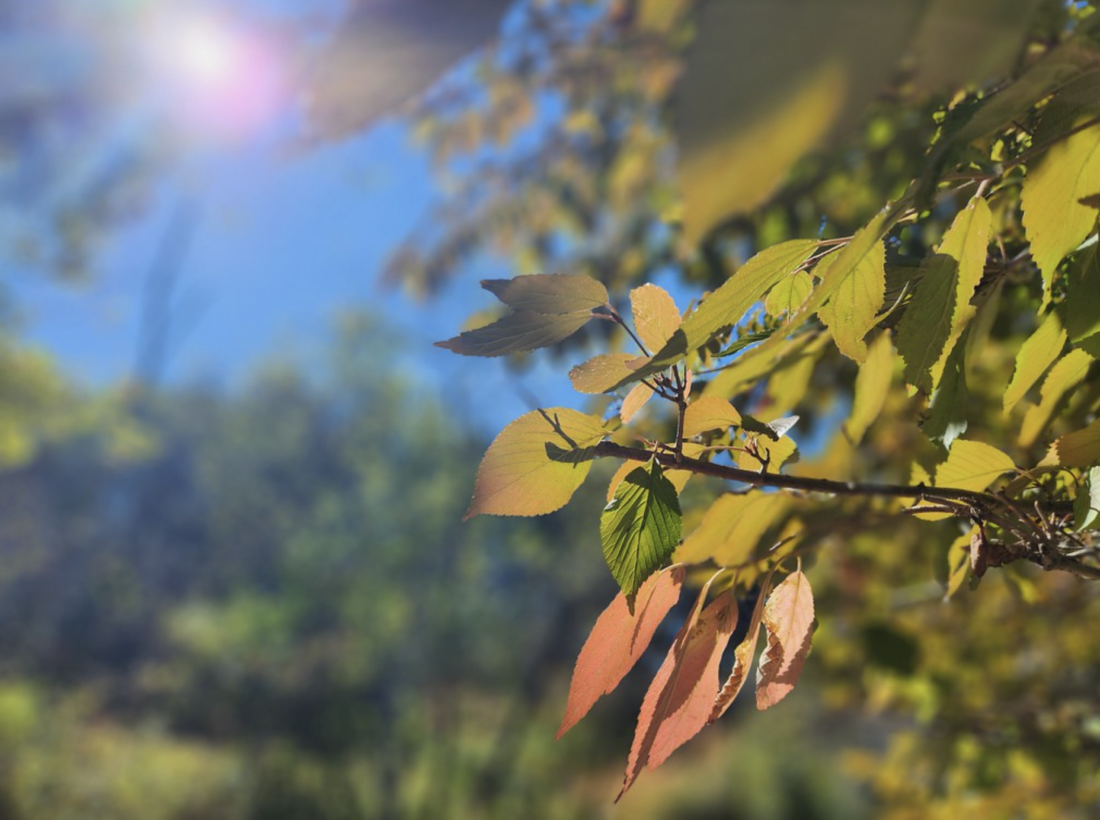
Leaves start changing from green to red due to fewer hours of daylight.
Photo by Arby Reed Locust trees turn bright yellow each fall before dropping each individual leaf.
Leaves start changing from green to red due to fewer hours of daylight.
Trending
Early October is about the time when there is a noticeable difference in sunlight. The sun sets a little earlier in the evening each day, but long before I truly internalize this change, I am struck by the difference in angle and how the changing colors of plants affect how the sunlight filters through the leaves. These differences are what shifts the general ambience of my days from summer to autumn.
The angle of the sun changes first. The Earth itself is at an angle, so as we slowly revolve around the sun, the northern hemisphere ends up tilted away from the sun from fall equinox until the spring equinox. The further you get away from the equator, the steeper the angle and the lower the sun sits in the sky. That high noon sunshine feeling slowly disappears as autumn arrives, and instead the sunlight seems less intense.
My cat probably notices this change first, since his normal morning sunlit nap spot on the bedroom floor gets smaller and smaller until it eventually disappears in late October. I'm not far behind though, and notice how the sun hits the kitchen differently in the evenings and filters into the living room through the trees from a different angle throughout the afternoon. It's equally noticeable as I hike through the forest and see more light streaming through the trees rather than from above.
Outside of my windows are two locust trees. It's a thornless Honey Locust, so I don't have to worry about the large thorn clusters of their spikier native relatives, but their pinnate leaves are sometimes a hassle when they get stuck in everything. Despite the constant sweeping when the leaves fall onto the balcony, I love these massive trees with their thousands and thousands or tiny leaves. That's largely due to their autumn showing.
Honey Locust trees turn a brilliant golden yellow in early October, and as the afternoon sunlight streams through, it affects the tone of the light. This is my second and favorite cue that autumn is here. As leaves change color, they absorb and reflect different colors on the light spectrum. Sitting under a yellow tree awash in sunlight provides different light from sitting under that same tree when the leaves are green. For me, walking through the woods in their autumn colors is a distinctly different vibe than the summer, and yes that is because of the visible color change, but it's also to do with how the sunlight is bouncing off the leaves.
This color change is happening in towns and forests across the northern hemisphere right now. Leaves change color primarily in response to the amount of sunlight available throughout the day. During the spring and summer season, leaves are typically green due to a pigment called chlorophyll. Chlorophyll helps the leaves absorb sunlight, which is an important part of photosynthesis, the process where leaves turn carbon dioxide, water, and sunlight into glucose, energy, and oxygen through a series of chemical reactions.
Chlorophyll isn't the only pigment in those leaves; it just covers up any other compounds and pigments that might produce different colors. When sunlight decreases and the temperature cools, less chlorophyll is produced and the existing chlorophyll in leaves breaks down fairly quickly. Then, other colors get their chance to shine without chlorophyll stealing the show. These other pigments aren't just a pretty face though. They aid in photosynthesis through the summer as well, but they don't do it anywhere near as effectively as chlorophyll, which is why the chlorophyll pigment is heavily dominant.
There are a few different pigments that produce that autumn backdrop and each species of tree produces different amounts. Carotenoids are present in the leaves all summer long just like chlorophyll, but they break down much slower, so the yellows and oranges they create last even as leaves fall to the ground. Furthermore, there are two major groups of carotenoids working to produce the yellows and oranges of birch, poplars, maples, and honey locust trees among others. Xanthophylls are known for producing yellow coloration. Carotene, specifically beta-carotene which is also found in carrots, is responsible for making the leaves orange.
A different pigment compound, anthocyanin, has to wait all the way until fall to make an appearance. Anthocyanin production is ramped up as sugar builds up in the leaf's cells in preparation to be moved into the trunk and roots where it is stored and used over winter. It is light reactive, so much of the red pigment is found where sunlight hits most. It's why you often see the tops of tall trees turn red first, or why the sunny side of a maple tree is red while the shady side is still yellow.
Nature is constantly changing and while these changes are biologically necessary, they also help us mark the passage of seasons. The changing angle of the sun continues on each year as the planets keep revolving. The addition of sunlight hitting the colorful leaves at a lower angle impacts my daily life by lighting up my living room into a warmer hue. This show of color and warmth is both anathema to and because of the dropping temperatures. It's a reminder that all of this beautiful fall foliage comes from a lot of hard work on the part of the plants as they store sugars to prepare for a harsher season ahead.
Audubon Community Nature Center builds and nurtures connections between people and nature. ACNC is located just east of Route 62 between Warren and Jamestown. The trails are open from dawn to dusk and birds of prey can be viewed anytime the trails are open. The Nature Center is open from 10 a.m. until 4:30 p.m. daily except Sunday when it opens at 1 p.m. More information can be found online at auduboncnc.org or by calling (716) 569-2345.