
Nature through the eyes of an artist
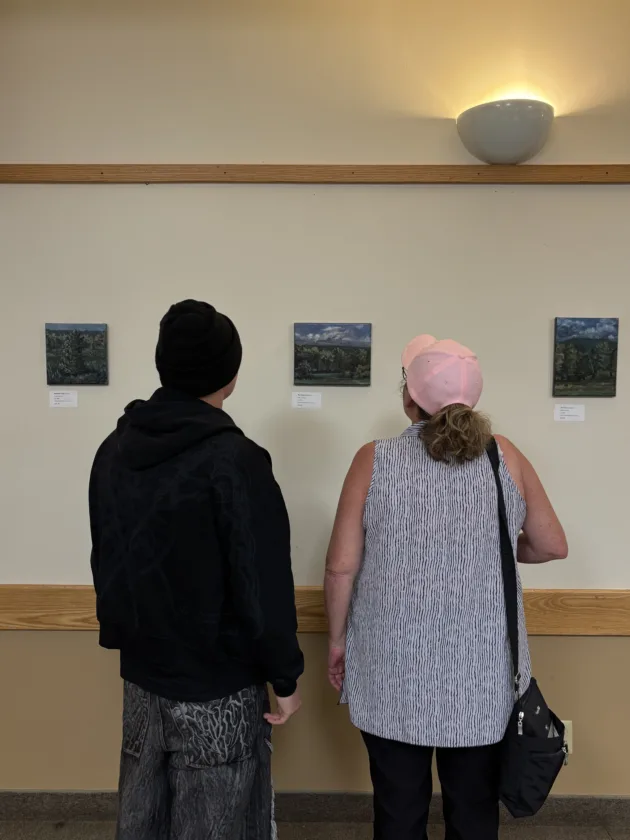
Guests observing a painting together on the opening night of the Bailey Lundmark exhibit.
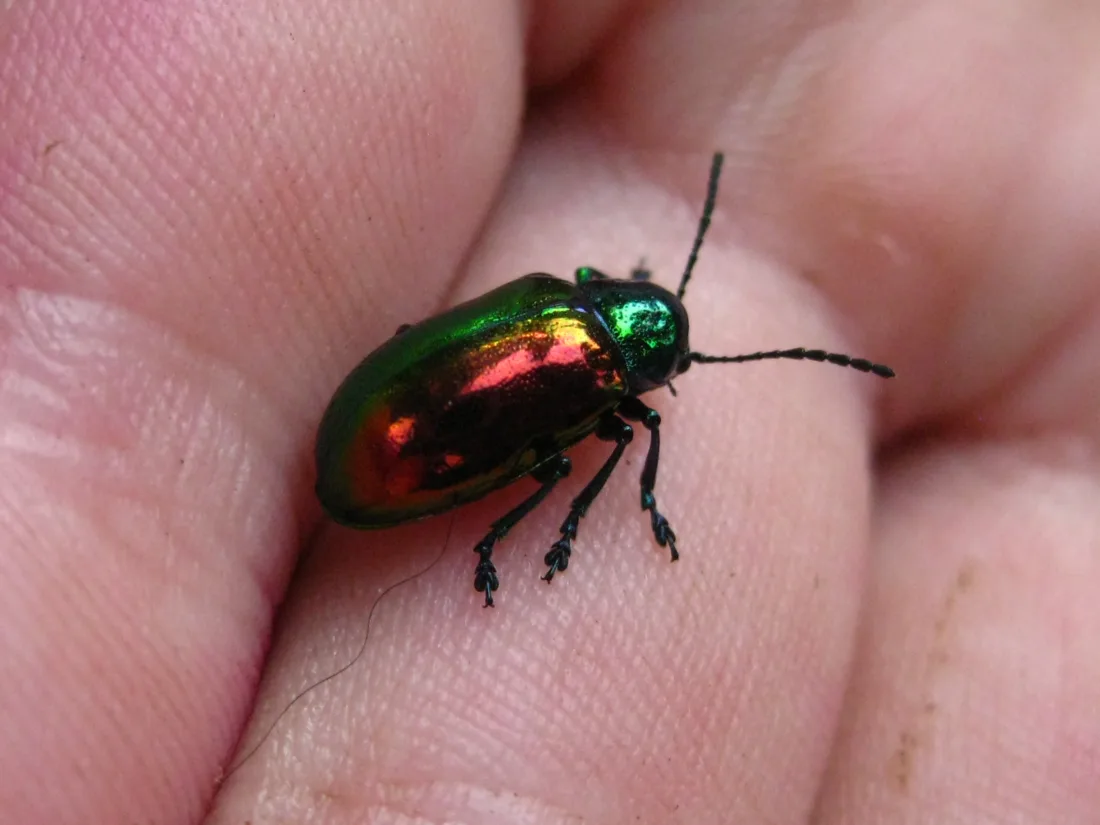
A close-up photograph of a beetle in someone’s hand, emphasizing both color and texture.
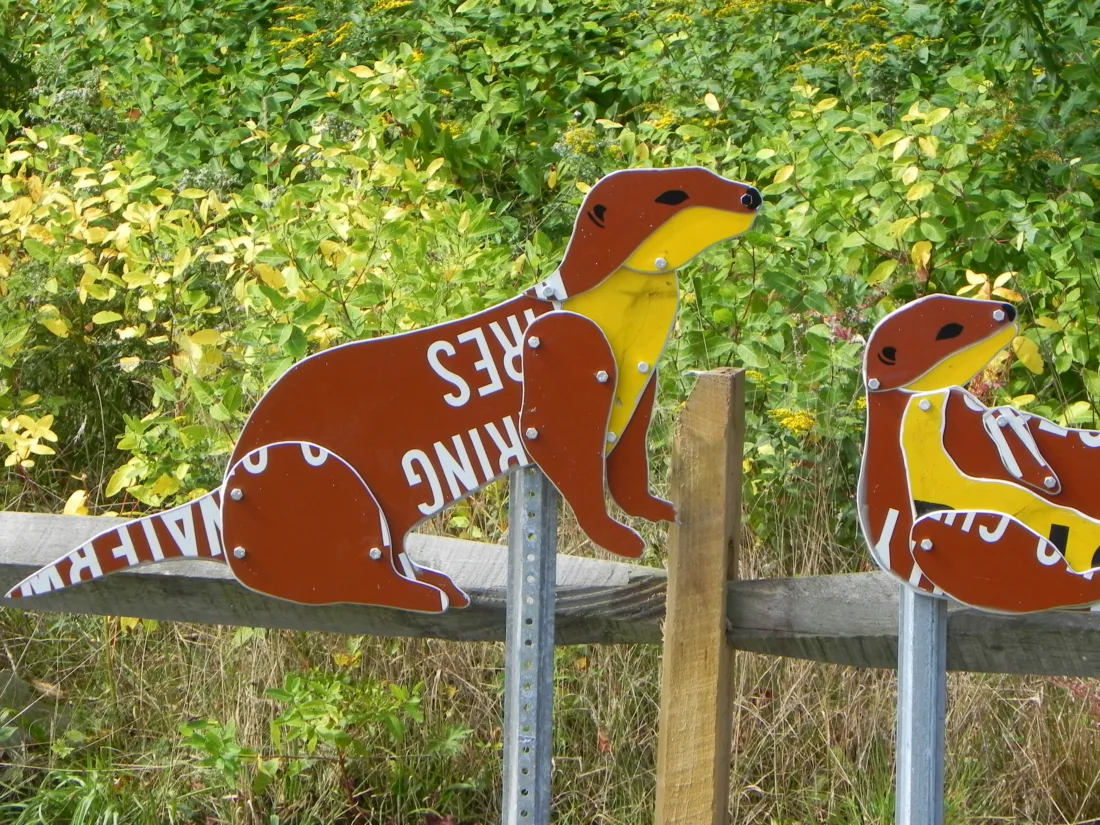
Art can take many different forms. These river otters are made from recycled road signs and are displayed at Audubon’s driveway entrance.
Guests observing a painting together on the opening night of the Bailey Lundmark exhibit.
A close-up photograph of a beetle in someone’s hand, emphasizing both color and texture.
Art can take many different forms. These river otters are made from recycled road signs and are displayed at Audubon’s driveway entrance.
Trending
Visual art, whether through photography or painting and drawing, allows one to capture a single moment in time and share it with someone else. Art depicting nature is no exception and invites you to explore the natural world through another's eyes.
Personally, I find that nature through photographs also helps me see things in a new perspective, one that I might not have thought of before. Whether it's a snapshot of movement, frozen in time, or perhaps detailing something small from super close up, or a revealing shot from underneath, photographs can inspire new ideas and connections.
Wildlife photography has the added challenge of subjects that don't know you're trying to photograph them. To get near enough for a good shot, you must be quiet and calm. Often, sudden movements or noise will scare your subject off. Be sure to take tons of pictures because not all of them will necessarily look good. However, the sense of satisfaction after getting that one good shot is immense. Photography can capture a single moment, whether it's a calm lull or an action shot. Catching something you might blink and miss or be unable to parse out when watching with the naked eye is another advantage of photography.
Utilizing different perspectives in shots can put you in another creature's position. For example, a photo looking up underneath a mushroom cap like it's a giant tree might make the viewer feel like they are exploring the forest as an ant. Looking down into the middle of a flower could make one feel just like a bee using it as a landing pad.
Before cameras existed and allowed us to share pictures, the only way to share what a place or plant or animal looked like was to illustrate it. Many field guides, including Peterson field guides, still rely on detailed illustrations to share what a species looks like and what field marks to pay attention to.
Earlier this month a local artist, Bailey Lundmark, shared an exhibit where they painted various scenes at Audubon. The technique used is called en plein air, which is painting from observation while outdoors and in the environment. In this exhibit you see how he sees Audubon. In the artist's own words, "Created throughout the summer, the paintings capture the ever-changing shapes, colors, and moods of the natural world." The exhibit is on display at Audubon until Nov. 1.
It is special to see a familiar place in a different medium and through someone else's eyes. The decisions of what gets painted versus not, and things that people want to emphasize, allow the creator's emotions to come through.
The medium used by an artist can also drastically change how a scene is portrayed. Using different mediums to represent nature can give the artwork a different vibe. Paints are often more fluid in nature; the liquid paint being manipulated while it dries lends itself well to recreating organic shapes and figures. Pencils and inks, on the other hand, lend themselves to dramatic lines and stark contrasts. Photography can do a bit of both, as well as be an "exact" representation.
Art and photography are also opportunities to build community. On the opening night of the aforementioned exhibit, people from the area all gathered to see the works of art, connecting to each other in the process. Sharing one's creations also shares the emotions and feelings within the piece. Connecting through artwork is just one way to bring people together.
What are things that artists might pay special attention to? Next time you are out in nature, try looking around like you are an artist, and imagine which moments you would like to capture.
Audubon Community Nature Center builds and nurtures connections between people and nature. ACNC is located just east of Route 62 between Warren and Jamestown. The trails are open from dawn to dusk and birds of prey can be viewed anytime the trails are open. The Nature Center is open from 10 a.m. until 4:30 p.m. daily except Sunday when it opens at 1 p.m. More information can be found online at auduboncnc.org or by calling (716) 569-2345.