
Common wildflower thrives in cooler temps
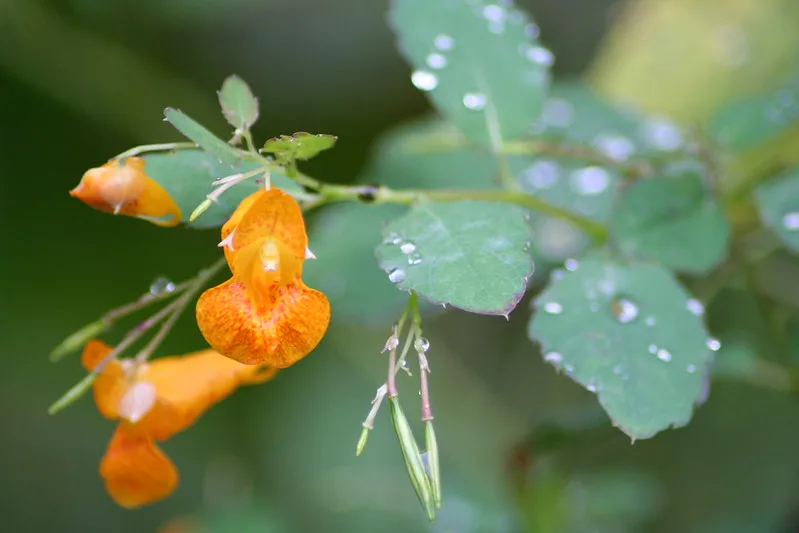
Photos by Jennifer Schlick Jewelweed’s distinctive orange flowers attract pollinators, while seed pods build pressure to explosively spread seeds into the world.
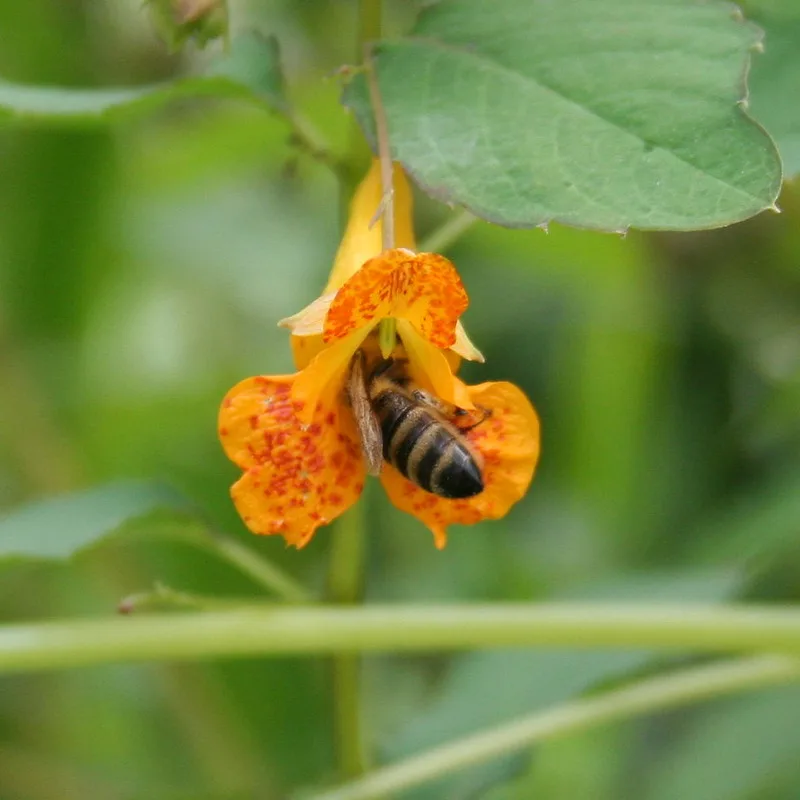
Bees are frequent visitors to Jewelweed, eating the nectar while helping the pants to pollinate.
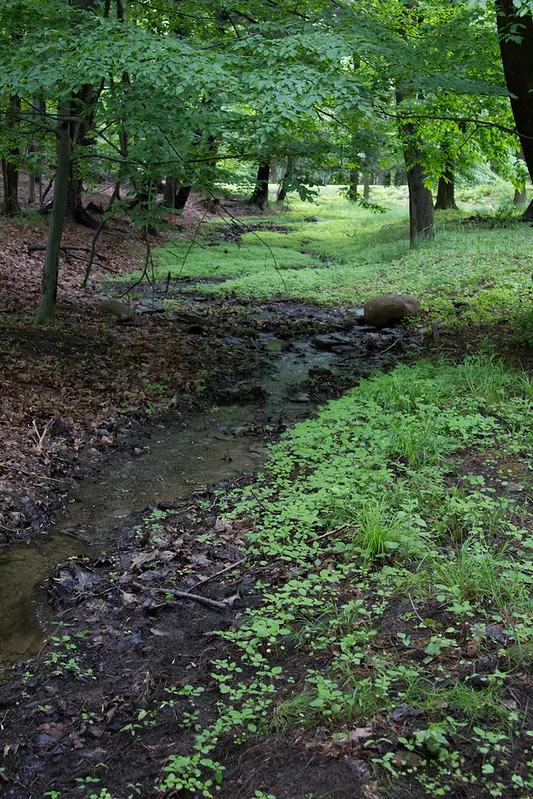
Jewelweed carpets the ground in a forest, growing along the banks of the stream.
Photos by Jennifer Schlick Jewelweed’s distinctive orange flowers attract pollinators, while seed pods build pressure to explosively spread seeds into the world.
Bees are frequent visitors to Jewelweed, eating the nectar while helping the pants to pollinate.
Jewelweed carpets the ground in a forest, growing along the banks of the stream.
Trending
Late summer can be characterized by many things in nature. The temperature starts falling, days get shorter, the first tinges of color appear on leaves, trees are weighed down with ripening fruit, and my favorite, the Jewelweed seeds begin to, literally, explode.
Jewelweed is a common wildflower in this area, and one you find in spades at Audubon. It has small orange, trumpet-shaped flowers and is often found in swampy, boggy areas, along the sides of streams and rivers, or in moist, shady forests. However, one of its most distinctive traits is its seeds. While the seed pods themselves look small and innocuous, when they are fully ripened the slightest touch can causes the pod to explode spectacularly, shooting their seeds in all directions. This inspires one of the plant's other common names, Touch-Me-Not.
But why do these seed pods explode, and how exactly does it happen? All plants need to find some way to spread their seeds. After all, it wouldn't make much sense for seeds to try to grow directly at the base of their parent plants, competing for space, sunlight, and nutrients. It is better for the seeds, and the parent, to give each other some space, allowing them all a better chance to grow. Spreading seeds is done in a variety of ways in the plant world. Some plants, like berries, rely on animals to eat the seeds, and later excrete them in a convenient pile of fertilizer. Other plants, such as burdock, have seeds that hook and stick on the fur, feathers, or clothing of passing animals, hitching a ride to their next location. Dandelions and milkweed choose the aerial route, sending their seeds blowing in the wind, while Jewelweed uses explosives.
The explosive power of Jewelweed does not come from any sort of incendiary device or chemical ignition. It is a mechanically powered explosion. The outer layer of a seed resembles a tiny banana peel, with sections that can pull away from each other. As the plant grows and water pressure builds inside the pod, the sections are put under more tension, until a small touch, such as the brush of a passing animal or the light squeeze of a thrill-seeking human causes the connections between the sections to suddenly tear apart. The sections then peel away with a force that sends the seeds inside flying. In this explosion, the seeds can be hurled up to 5 feet away.
While Jewelweed, and its seeds, are a great source of entertainment for those of us who like that sort of thing, it also has arguably more important uses. Ecologically, Jewelweed nectar is a great food source for hummingbirds who can fit their long beaks into the trumpet shaped flowers. Butterflies and bees are also frequent visitors. In turn, these creatures help the plants pollinate.
Jewelweed is also known for its medicinal uses. The sap from leaves and stems can be used to help with skin irritants, such as poison ivy rashes and mosquito bites. This is helpful, especially
at Audubon where poison ivy, mosquitos, and Jewelweed are often found side-by-side. So if, like me, you suddenly find yourself standing in a patch of poison ivy after having been distracted by the joys of popping seeds, don't worry; there is a remedy right at hand.
Next time you are out and about enjoying the late summer weather, see if you can find some Jewelweed for yourself, and take a minute to enjoy the simple pleasure of making the seeds pop. It truly is fun for all ages.
Audubon Community Nature Center builds and nurtures connections between people and nature. ACNC is located just east of Route 62 between Warren and Jamestown. The trails are open from dawn to dusk and birds of prey can be viewed anytime the trails are open. The Nature Center is open from 10 a.m. until 4:30 p.m. daily except Sunday when it opens at 1 p.m. More information can be found online at auduboncnc.org or by calling (716) 569-2345.