
Communications in nature more than words
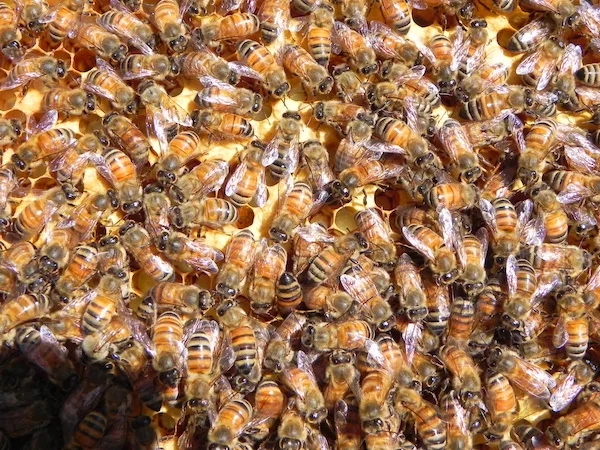
Worker bees communicate with each other to keep the hive alive and healthy.
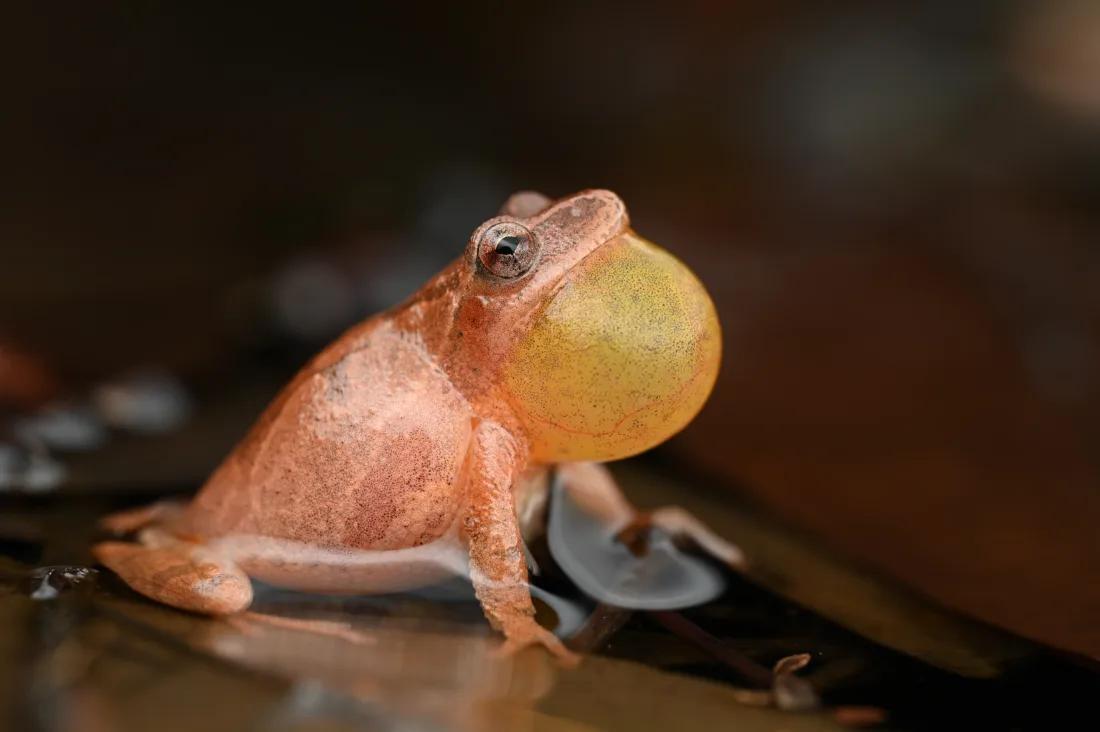
A Spring Peeper vocalizing with its throat sac inflated.
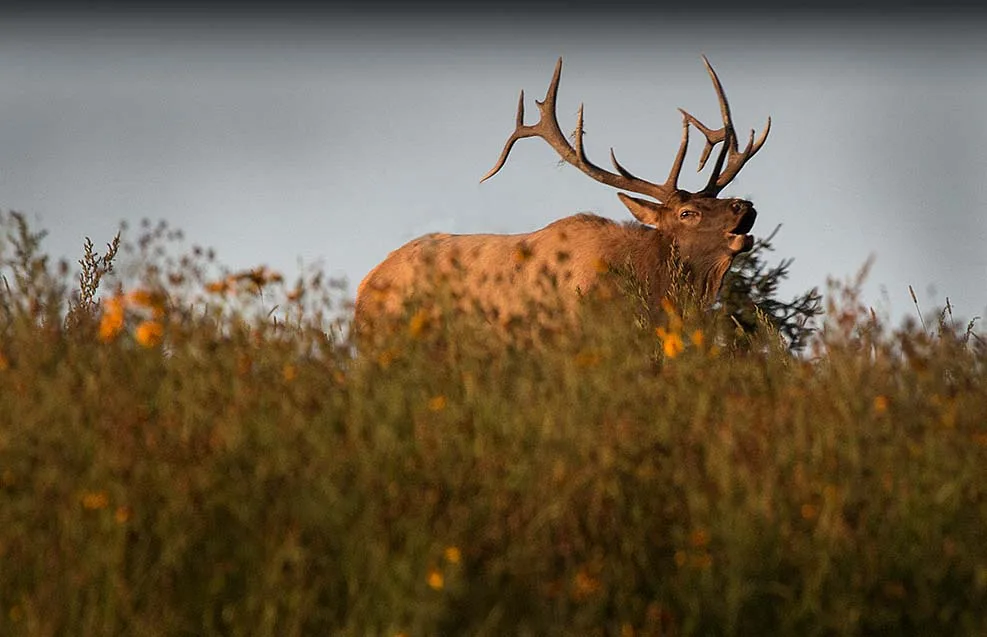
This bull Elk is bugling, calling out to attract females.
Worker bees communicate with each other to keep the hive alive and healthy.
A Spring Peeper vocalizing with its throat sac inflated.
This bull Elk is bugling, calling out to attract females.
Trending
Communication is something you don't often think about, because it's used so much in our everyday lives.
Every animal has some way to connect with others, and humans are no exception. As social creatures, we've come up with many ways to get a message across. Speaking is one of the first ways that humans learn to communicate, but writing is another common way to express one's thoughts. The other main method in which humans communicate is one you probably use daily but might not think about – body language and other nonverbal communication. How we hold ourselves, and the facial expressions we use, is just one way to let others know how we are feeling without words.
I could go into the many intricacies of human communication, but what I think is interesting to consider is how other animals do the same things we do. Animals have their own ways of communicating with each other. Some methods are similar to ours, while others are completely different.
An intricate writing system — like what you're reading right now — hasn't been observed in the wild, however animals still leave messages behind for others to “read” even when they're not there.
Many mammal species that rely more on their nose than their eyes will use scent as a method of persistent communication. Scent marking, via urine or a special gland, can let other animals in the area know that territory is taken. Bears are one animal that will take it a step further and mark trees or other landmarks with their claws or teeth as a visual signal in addition to an olfactory one. Some mammals will also rub scents on themselves or each other as part of their communication.
Pheromones are chemical signals that can be carried in scents, but are also found elsewhere in the animal kingdom, especially in insects. Social insects like bees and ants will leave pheromones to communicate with each other, for example, ants will leave pheromone trails that lead to food sources, so that other workers can follow.
Bees have another unique method of communication called the waggle dance. This is a series of figure eights made by a worker bee whilst waggling the body, and scientists have learned that they use this dance to tell other bees where flowers and food are. The number of loops and waggles can indicate things like distance and position relative to the sun, helping other members of the hive go and gather resources to bring back.
Animals use sounds and calls to communicate, including over long distances. Commonly the call you might hear from an animal is one of alarm, because the sight of a human, which is a big and scary predator, is something to warn others about. However, if you stay calm and listen, you may also hear other sounds, especially during the breeding season.
For example, Elk let out a loud bugling call to attract females during the rut, and the chirps of a chorus of Spring Peepers can be almost deafening during their peak. Like Spring Peepers, other frog species have their own vocalizations used to attract females. Frogs also have throat sacs which they use to amplify their song and help it travel farther.
It's difficult to discuss animal calls without including the sheer variety and number of sounds made by birds. Birds will use calls to share their location or warn other members of their flock of danger. Fledglings often have their own baby begging call that they use to ask their parents for food. While simple on the surface, bird calls can get quite complex and intricate.
Chickadees have a characteristic “chick-a-dee-dee-dee” warning call, but the number of “dees” used can vary, with more “dees” indicating a higher level of danger. Interestingly, some birds like the White-crowned Sparrow have their own regional accents or dialects. Much like human language, these calls are learned from older members of the flock as they grow up and vary based on geographical location.
Lastly, one language used by just about every animal is body language. Different animals have different meanings for each posture and ways of expressing how they feel, but if you learn to observe and understand it then you, too, can understand animals. Mammals might use a combination of facial expressions and posture, as well as the way they hold their fur, either puffed out or held close to the body. In species with tails, they may use it to aid in their message. For example, take a dog with a wagging tail and tongue hanging out - those are all signs of a good mood. On the other hand, a cat with a wagging tail means annoyance, so signals rarely have universal meanings. Much like mammals, birds use the way they hold their feathers to indicate their mood and comfort level.
A relaxed bird might gently puff out its feathers to preen, while a nervous bird will typically have feathers slicked down and ready for flight at a moment's notice. Reptiles also communicate through their posture. For example, a turtle in its shell is typically nervous or scared, whereas an alert snake might hold its head up in the air to carefully monitor its surroundings and pick up scents.
We share our world with many other species, and sometimes, by watching and listening, you can understand what they are telling you.
Audubon Community Nature Center builds and nurtures connections between people and nature. ACNC is located just east of Route 62 between Warren and Jamestown. The trails are open from dawn to dusk and birds of prey can be viewed anytime the trails are open. The Nature Center is open from 10 a.m. until 4:30 p.m. daily except Sunday when it opens at 1 p.m. More information can be found online at auduboncnc.org or by calling (716) 569-2345.