
What we can learn from the youth
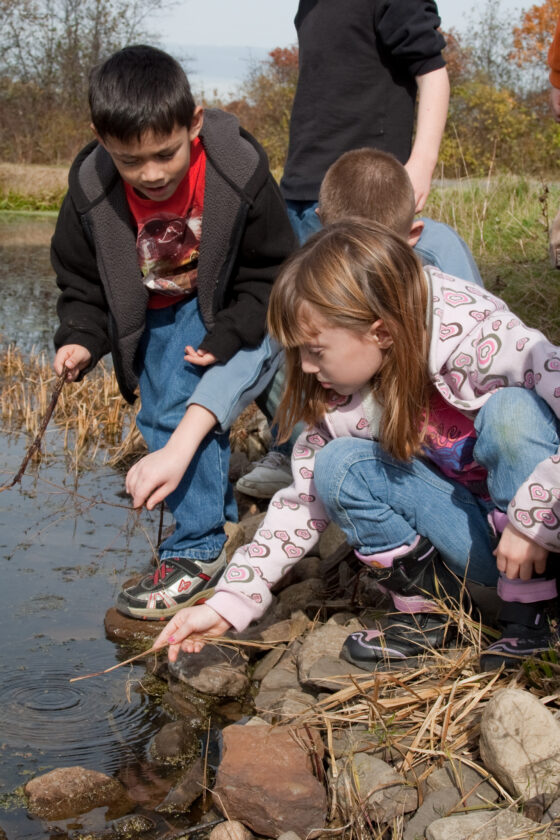
Children teach us that adults can still explore and experience something new.
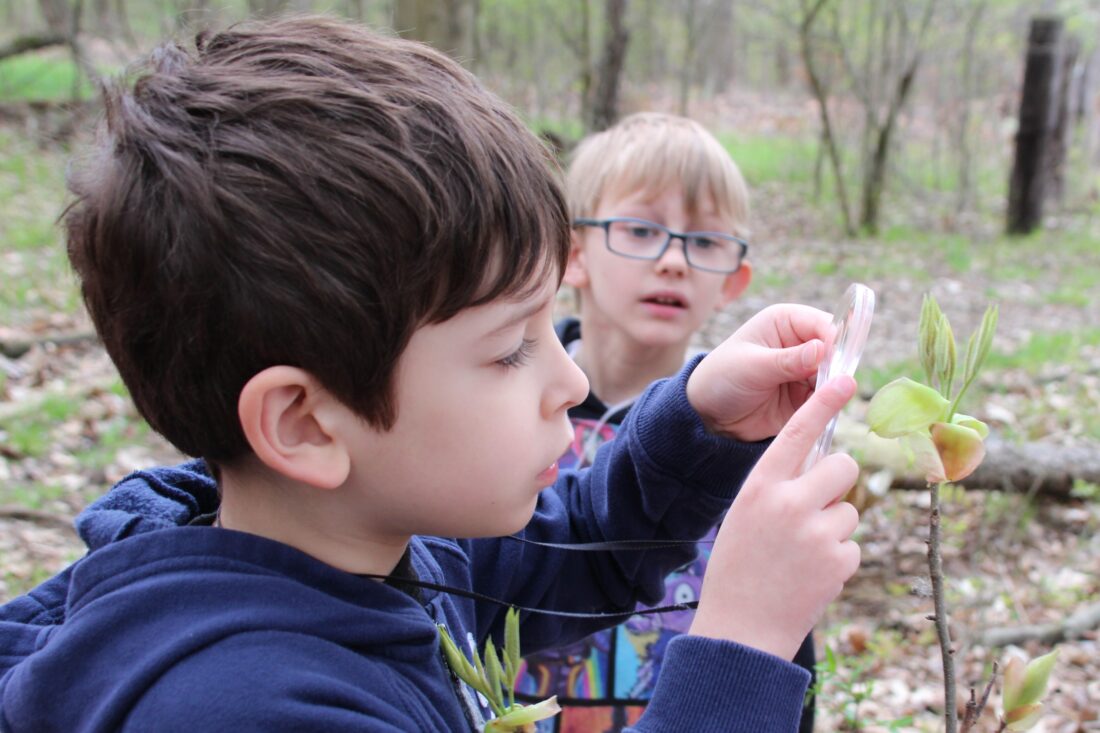
Children teach us to tap into the mindset of ‘seeing things for the first time,’ even if it’s something we see every day.
Children teach us that adults can still explore and experience something new.
Children teach us to tap into the mindset of ‘seeing things for the first time,’ even if it’s something we see every day.
Trending
From a young age, we've been taught to learn from our elders. While this still holds true, I propose that we also learn from our children. We can all reminisce when childhood embodied simpler times, more fun, and less stress. By tapping into these forgotten mindsets and listening to what young ones have to offer, we can find what children teach us.
As adults, we're held to the expectation of knowing everything, solving problems, and 'having it all figured out.' Approaching my 30s has reminded me that there is so much more to learn in life and working with children has sparked this humility. As I've grown older, I've noticed a pattern – adults ask questions to find a single answer and then move on. Children? They ask questions to fuel their curiosity, to explore, to nurture their own sense of wonder. If we ask a question and get a straight answer, there is no more learning to be done. If you recognize what children have already seen or experienced to help them find the answer on their own, there is more to learn along the way than you might have expected.
Building off what children already know is called 'activating prior knowledge,' which can bridge some surprising connections. By asking children, "What do you notice?", "What do you wonder?", or "What does it remind you of?" towards an unfamiliar natural object can get children to think outside the box. I've had students tell me that worms remind them of spaghetti, gum tree seed pods remind them of porcupines, or that beaver chews make them think of pencils. This seemingly disconnected way of thinking is how children make concrete relationships between different artifacts in their minds.
Nature Educators at Audubon practice an inquiry-based approach, where most teaching is done with open-ended questions. This allows children of all ages to share alternate perspectives, which fuel mutual curiosity between classmates and spark discussions. When Nature Educators facilitate explorations on a field trip at Audubon, something we call Discovery Walks, or on a school's outdoor property, we leave it up to the children to discover answers.
When flipping over logs looking for creatures, a typical question might be, "What do you think the ant is doing?" In this sense, children come up with a plethora of answers, none of them right or wrong. The most interesting answer I've received? "The ant is doing its best," which can absolutely be correct. When I'm not asking questions to have children ponder, they are asking me. Children, at their core, do not ask questions to receive answers, they ask questions to have their curiosity nourished.
When it comes to children asking questions while exploring the great outdoors, I've learned that it's OK not to know. Once I say, "I don't know, what do you think?", there is an invitation for children to have their own voice and perspective be heard, where it otherwise may have not been. This mutually beneficial exchange in wonder doesn't hinder my ability to learn and grow alongside them, for children have far more to teach me than they will ever know.
For some, our Discovery Walks are the first time children are allowed to be themselves; wild, inquisitive, and excited. We encourage children to explore with their five senses; touch, smell, hearing, sight, and taste (when Audubon's garden is ready). By having nature be the link between curiosity and interacting directly with the natural world, many children return to Audubon years later with vivid memories of their elementary adventures on our grounds or when an educator visited their school to bring students outside.
If you have children of your own or work in an establishment with children, take a moment to forget everything you have learned and see what they can teach you. I've learned to slow down and tap into their simple mindset, where due dates on bills and insurance don't exist for a moment. What children teach us is unforgettable and reminds us that we can embody a 'childlike wonder' at any point in life.
Audubon Community Nature Center builds and nurtures connections between people and nature. ACNC is located just east of Route 62 between Warren and Jamestown. The trails are open from dawn to dusk and birds of prey can be viewed anytime the trails are open. The Nature Center is open from 10 a.m. until 4:30 p.m. daily except Sunday when it opens at 1 p.m. More information can be found online at auduboncnc.org or by calling (716) 569-2345.