
Cycles and seasons impact animals, wildlife
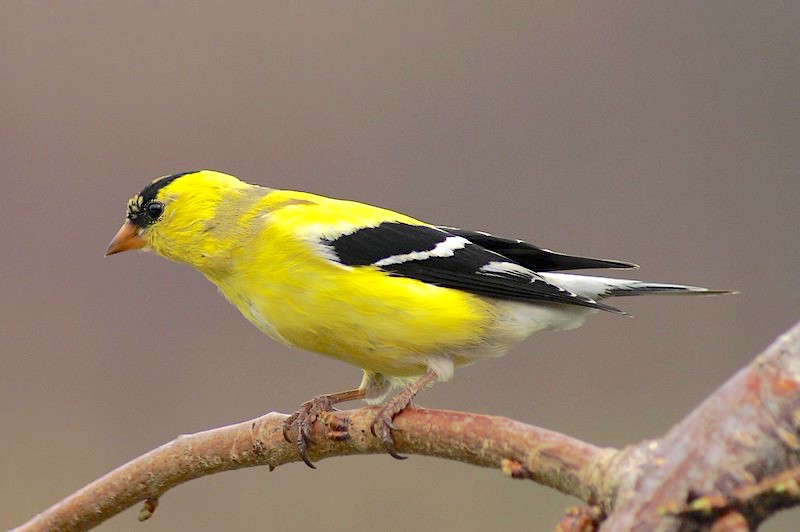
Photo by Terry LeBaron Male American Goldfinches turn bright yellow for mating season each year.
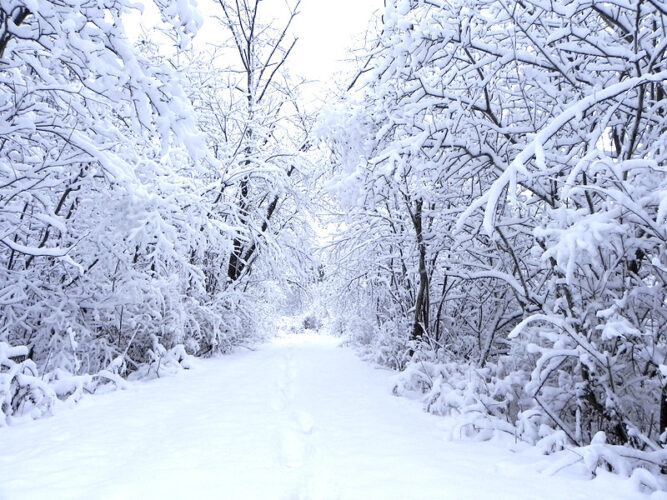
Winter is a time of rest for many plants and animals.
As the Earth makes its yearly revolution around the sun, the seasonal changes vary depending on your location on the planet. If you live in the northeastern US, you can observe four distinct seasons. They vary day to day, but overall, they have weather and events that differentiate them, even with a warm, sunny day occasionally popping up in January.
Each species exists with their own life cycles. A life cycle is just a series of changes that an organism goes through from birth to death. Mostly these are physical changes. However, there are plenty of other cycles animals complete that are behavioral. These cycles don’t all line up in one uniform experience, and instead happen at their own pace, even if this pace is often influenced by the environment around them.
For humans, biological cycles are ever-present, but there are also determined cycles throughout the year, since we use a calendar in addition to seasonal changes to mark time. In the western hemisphere, the new year falls in the middle of winter. While January is a flurry of resolutions and new activities for a lot of people, others choose to remain in a period of rest or use this as a time for planning and preparation for future endeavors. The way each person approaches a new calendar year is specific to them and what they choose to honor.
Like humans, different species vary in their natural cycles. Winter is a time of rest in the cycles of many living things. Groundhogs, chipmunks, and turtles hunker down in underground tunnels or buried in the ground. Some mammals hibernate fully in the winter, which means they spend their fall storing up on food and come out in the spring ravenous. Their year follows a cycle influenced by food availability and temperatures.
Winter is not typically a prime time for the start of new things in nature, but there are plenty of animals that are preparing for offspring by the time February arrives. Black Bears spend much of the winter resting, but the cubs are actually born in late January or February, disrupting the resting period for mom. These cubs will spend the first few months of their life in the den with their mother, before emerging in the spring.
Most plants also use winter as a resting period in their life cycle. Deciduous trees lose their leaves and survive off of the stored sugars in their trunk, which is evident when you look at a stump or the end of a log. The wider, light-colored rings are a result of spring and summer growth when resources are abundant. The darker rings are formed during the winter when growth slows down.
Trees and other plants can continue their life cycle by producing seeds. Tree nuts, like acorns, develop in the fall and then survive by waiting out the winter and starting their growth period the following spring.
For many invertebrates, it seems like they just press pause. Some flying insects do migrate, but most ride out the winter, either burrowing into logs and the soil, or by staying in their pupal phase. Cecropia Moth caterpillars form their cocoons in late summer. They then remain in that cocoon all winter and emerge next spring as moths. They will shortly lay eggs on the underside of a leaf, and the caterpillars will spend the summer eating and growing until they continue the cycle all over again.
Amphibians have a commonly known life cycle, but the actual time spent in each stage is different and sometimes surprising. Bullfrogs can spend up to three years in their tadpole stage before going through metamorphosis. Spring Peepers only spend a couple of months and will go from egg to adult frog over the course of a single summer.
Winter can also be a time of survival where an organism remains active and sometimes has to work harder to find food, shelter, and safety in a harsher environment. Birds generally have two options to survive the cold. They can migrate or they can stick around and remain active. Those that migrate do so at different times throughout the year. There are charts based on mountains of data that allow us to know when certain birds should be migrating.
Some birds make their move early. Hawks, vultures, and other birds of prey begin migrating to breeding grounds in March. These birds will continue their life cycle by establishing nests, and laying eggs. The eggs can begin hatching as early as mid-April depending on the weather. The baby birds will spend a couple of months in their nest as they progress through the fledgling stage before heading out to independently hunt on their own.
Migrating songbirds come in waves and can vary week to week from late March all the way into June. At Audubon, Dark-eyed Juncos are a common sight at the winter bird feeders, but they travel up in latitude or elevation for the summer.
Even the year-round bird residents of Western New York have their own cycles. Goldfinches are all a brownish, pale-yellow throughout the winter, but in the spring, males’ plumage begins turning bright yellow in preparation for mating season.
As plants, animals, and even fungi go through their life cycles and seasonal changes, remember that not everything happens all at once. The foxes were frolicking over the ice-covered pond today, but the Painted Turtles remain buried in the bottom of those same ponds in a period of rest. These cycles are unique to each species and they happen according to what they need to survive.
Audubon Community Nature Center builds and nurtures connections between people and nature. ACNC is located just east of Route 62 between Warren and Jamestown. The trails are open from dawn to dusk and birds of prey can be viewed anytime the trails are open. The Nature Center is open from 10 a.m. until 4:30 p.m. daily except Sunday when it opens at 1 p.m. More information can be found online at auduboncnc.org or by calling (716) 569-2345.
Community
Community Foundation receives donations
The Community Foundation received $199,050 in contributions from donors in December to the following funds held by ...
Cycles and seasons impact animals, wildlife

As anniversary nears, Faith Fellowship Church asks for help
Youngsville Life: Library continues fundraising efforts
Editor’s Note: Please email community news to Colette Nelson at Colettenel.ypl@gmail.com by Wednesday of each ...
Briefs
Farrah Grotto to meet Tuesday The Mystic Order of the Veiled Prophets of the Enchanted Realm will meet at the ...
Warren Fire Department calls reported
Warren Fire Department listed its activity for Thursday, Jan. 15: --- 1:55 a.m. --- Ambulance to Saint Clair ...