
Classic Slot Games and Why Their Mechanics Still Work Online
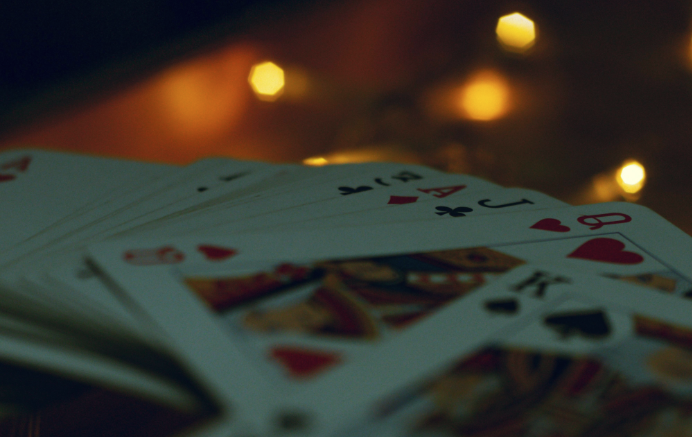
Crossword puzzles survived the internet. So did community card games and bingo nights. Technology changed and entertainment options multiplied, yet many familiar pastimes remained. Classic slot games have followed a surprisingly similar path. The devices changed, the platforms moved online, but the core mechanics remained largely recognisable. Plenty of older forms of entertainment struggled to make the transition into the digital era. Classic slot games adapted without needing to abandon the structure that made them familiar in the first place.
Built for Short Gaps in the Day
Entertainment does not always happen in dedicated blocks of time. It often fits around everything else competing for attention. A few minutes before work, time spent waiting for an appointment or a quiet break at the end of the day can become opportunities to unwind.
Gaming increasingly fits into those moments. The Entertainment Software Association reported in 2026 that 212.3 million Americans play video games for at least an hour each week. Sensor Tower estimated that games were downloaded roughly 95,000 times every minute during 2025. Those figures are usually used to illustrate the scale of modern gaming, but they also point to something else. Entertainment now travels with people throughout the day rather than remaining tied to a particular place or time.
That is very different from how many people experienced games in previous decades. Gaming sessions were more likely to happen in front of a television or computer for extended periods. Today, a game might fill ten minutes rather than an entire evening. Classic slot mechanics happen to fit that reality comfortably. Players do not need to remember unfinished objectives or spend time learning complicated systems before they can engage with the experience.
Familiarity Has a Habit of Surviving
Communities are full of activities that remain remarkably resistant to change. Crossword puzzles still appear in newspapers despite decades of predictions about their decline. Card games continue to bring people together in community halls and living rooms. Bingo remains a regular fixture in many towns even though entertainment options have expanded dramatically.
Why Familiar Activities Keep Their Audience
Nostalgia probably plays a part, but it does not explain why entirely new generations continue to engage with the same activities.
These activities survive because people already understand them. Someone can join a card game without spending hours learning the rules. A crossword puzzle requires very little explanation. Familiarity removes barriers that newer forms of entertainment sometimes create. The details may change, but the basic experience remains familiar. A deck of cards works much the same way it did decades ago. Crossword clues still follow the same logic. People do not need to relearn these activities every few years.
Classic slot games benefit from the same advantage. In some ways, they survived the internet for the same reason crossword puzzles survived the internet. The technology changed dramatically, but the underlying experience remained familiar enough that people never needed to relearn it.
Someone returning to a crossword after six months away can start immediately. Returning to a complex strategy game after six months away may involve remembering controls, objectives and unfinished tasks. Familiar activities remove that hurdle.
What Changed When Slots Moved Online
That is easy to overlook because innovation receives most of the attention. New technologies tend to dominate headlines, while familiar activities receive far less attention. Yet those familiar activities often prove more durable than expected.
The same pattern appears online. Collections of classic slots online on ACE.com group together games built around traditional reel structures and familiar symbols. The social casino platform serves as a useful reference point because it shows how these mechanics adapted to digital environments without fundamentally changing the experience itself. A player from the early days of digital slots would recognise most of the core mechanics immediately. The screen is different and the device is different. However, the basic interaction remains familiar.
The internet transformed countless forms of entertainment. It changed how people read, watch films, listen to music and play games. Yet some activities crossed into the digital world with surprisingly few changes because the original formula already worked.
Not Every Form of Entertainment Needs Reinventing
Games grow larger and streaming libraries expand, while apps regularly introduce new features in the hope of holding attention for longer.
Fitting Into Existing Routines
Reading the local paper with a morning coffee has not changed dramatically over the years. Neither has sitting down to complete a crossword puzzle or joining a familiar card game. The appeal comes partly from knowing exactly what the experience will involve. The format survives because it fits naturally into existing routines. Some entertainment succeeds for similar reasons. It becomes part of a habit rather than an event.
Classic slot mechanics fit into that category. Their continued relevance is tied to accessibility rather than constant reinvention. The format asks very little from the player and fits comfortably into routines that are already crowded with responsibilities and competing demands on attention.
The entertainment industry often focuses on what is new, yet older formats have a habit of lingering in the background. They rarely generate the same attention as the latest release, but their longevity is difficult to ignore. The average smartphone contains more entertainment than most people could realistically consume. Yet some of the oldest gaming mechanics still occupy a place alongside it. That says as much about how people spend their free time as it does about the games themselves.