
Beyond the Turnpike: How Rural PA Casinos Are Revitalizing Small Town Economies
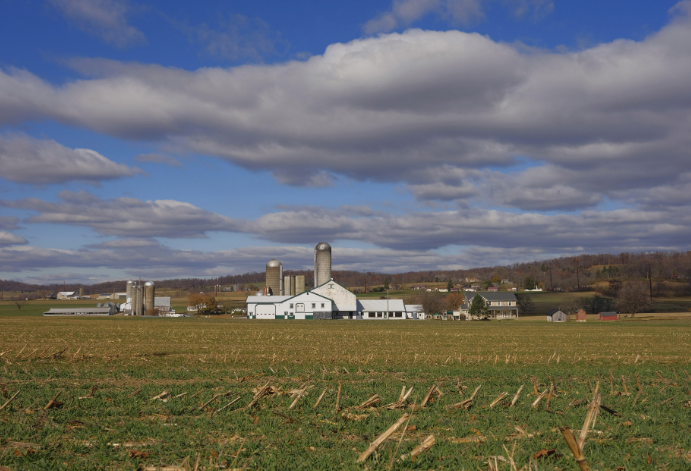
With budgets tight and tax bases shrinking, many rural Pennsylvania towns are turning to casino revenue, tourism spillover and steady year-round jobs as new sources of local stability.
If you spend time in Pennsylvania’s smaller towns, the story is familiar. Plants closed years ago, younger families moved away and the tax base never quite recovered. Some places have turned to heritage tourism or downtown grants, while others have leaned on a newer presence along the back roads and bypasses, rural casinos now sitting where factories or strip malls once tried to make a living.
As those changes settled in, the broader economic picture made their importance clearer. The national economy in 2025 sent mixed signals. Prices slowed but never dropped, paychecks felt tight and borrowing became more expensive. For households already juggling fuel, food and medical bills, few could absorb another shock. In that environment, casino revenue, jobs and visitor spending have become part of the local safety net rather than just another entertainment option.
The New Economic Lift in Pennsylvania’s Small Towns
State regulators put total gaming revenue at roughly 6.4 billion dollars for the 2024 to 2025 fiscal period. Almost 2.8 billion dollars of that moved straight into state and local government accounts in the form of taxes and fees. In counties that have watched traditional employers shrink or disappear, that is not an abstract figure. It shows up as property tax relief, resurfaced roads, repaired bridges and small grants that keep local projects moving.
Once casino money becomes that important, the standards behind it begin to matter more. Pennsylvania operates inside one of the tighter regulated gambling environments in the country, and many of the benchmarks used here align with national best practice. Independent reviews of the best-rated casino sites in USA break down the safeguards that reputable operators are expected to meet. Licensing requirements, security protocols, game testing procedures and payment protections all sit on that list. Understanding those benchmarks helps explain why regulated casinos are treated as reliable contributors to public finances, while unregulated markets often are not.
National context in 2025 underlined that need for stability. A late-year overview of the United States economy pointed to higher living costs, a slowdown in hiring and uneven growth from quarter to quarter. For rural Pennsylvanians, that meant the outside world felt uncertain just as casino-driven revenue at home was becoming more predictable.
Local Jobs, Local Spending and a Ripple Effect
The jobs are the most visible change. According to the Pennsylvania Gaming Control Board, about 16,000 residents now work directly in casino operations across the state. Dealers, security staff, cleaners, cooks and front-desk teams make up a large share of those roles. Behind them sits a second tier of work in food delivery, laundry services, maintenance, transport and entertainment. When you add those indirect and induced jobs, more than 30,000 positions are tied in some way to the casino sector.
That picture looks different from the national numbers. A federal report released in November 2025 showed that unemployment had been edging higher and that job growth was no longer keeping pace with the number of people looking for work. Some industries shed positions as tariffs, changing technology and slower demand took hold. In that setting, the steady hiring at rural casinos and associated businesses gave workers in parts of Pennsylvania an option that simply did not exist a decade ago.
Here at home, the picture has been mixed. Pennsylvania’s unemployment rate reached 4.2 percent in November, reflecting gains in some industries and declines in others. In areas where casinos have opened within a reasonable commute, local officials note that the added jobs have helped steady the labor market and kept the numbers from rising even faster.
Tourism, Local Budgets and the Outlook for 2026
Casinos also widen the tourism ripple. Pennsylvania generated nearly 84 billion dollars in tourism activity in 2024, and rural casinos now draw visitors who stop for fuel, groceries and overnight stays instead of bypassing small towns entirely.
For local governments, the revenue matters as much as the foot traffic. Rising state costs in healthcare and education have pushed many communities into difficult budget decisions. Casino taxes and local share assessments do not fix every gap, but they provide an extra stream of funding for roads, emergency services and small community projects that often stall when revenue slows.
Casino data from 2025 showed steady gains, including several months of double-digit growth in combined online and retail gaming revenue. Forecasts for early 2026 point to continued strength in counties where recent investments have come online.
No one argues that casinos replace a broad industrial base, but they have changed the baseline. When towns can repave a road, upgrade equipment or keep shops open later on weeknights, those everyday improvements show how rural casinos are quietly supporting local stability heading into 2026.