
Pennsylvania Joins Multi-State Poker Pact, Reshaping U.S. Online Gaming
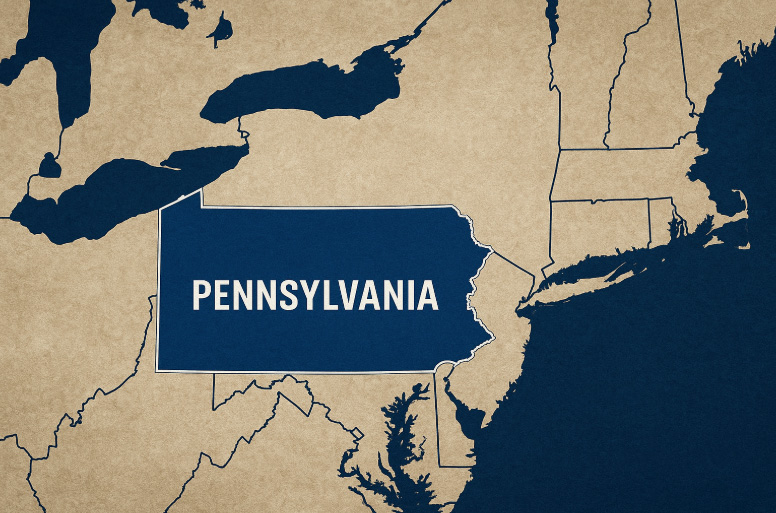
Online poker in Pennsylvania is entering a new era. As of April 2025, the state has officially joined the Multi-State Internet Gaming Agreement (MSIGA), allowing local players to compete across borders with those in New Jersey, Michigan, Nevada, Delaware, and West Virginia. The move not only increases the size of tournament fields but also enhances the experience for users who already explore multi-state platforms or discover mobile poker apps offering access to larger prize pools and more diverse competition.
Governor Josh Shapiro finalized the agreement after years of legal hesitation, making Pennsylvania the most populous member of MSIGA. Although online poker was legalized in the state back in 2017, past administrations avoided entering the compact. One key delay stemmed from a 2018 U.S. Department of Justice interpretation of the Wire Act that questioned the legality of interstate gaming. Federal courts later ruled that the law only applies to sports betting, effectively clearing the path for multi-state poker.
Despite that ruling in 2021, Pennsylvania remained on the sidelines until Shapiro’s administration took office. After months of mounting legislative pressure and growing industry anticipation, the governor’s office announced the state’s official entry in late April. The Pennsylvania Gaming Control Board confirmed that approved operators could begin merging player pools immediately.
Two major platforms acted fast. BetMGM connected its Pennsylvania player base with existing networks in New Jersey and Michigan, offering a launch-day freeroll tournament with a $30,000 prize pool. WSOP.com also activated its interstate platform, allowing Pennsylvanians to join players in Nevada, New Jersey, and Michigan for upcoming online World Series of Poker events.
Players have already seen benefits. Shared liquidity means more active tables, higher stakes, and faster matchmaking. The state gaming board emphasized that expanded access does not compromise regulatory standards, as all platforms remain licensed under Pennsylvania law. Meanwhile, industry representatives highlighted the potential for bigger tournaments without increasing entry costs, boosting both participation and tax revenue.
The decision came after prolonged pressure from state lawmakers. A bill introduced in 2024 aimed to compel regulators to join MSIGA within 30 days, though it ultimately stalled. Still, the momentum helped push the issue forward. In a public statement, Governor Shapiro described the move as a practical step to support residents and keep Pennsylvania competitive in the digital gaming space.
West Virginia’s participation in MSIGA had previously offered limited value due to the absence of a live poker platform. But with Pennsylvania now involved, smaller states are expected to benefit from increased liquidity, potentially encouraging more operators to launch in those jurisdictions. Delaware, another early MSIGA member, is also finalizing technical upgrades following a recent platform change.
New operators are entering the mix. Rush Street Interactive, which launched BetRivers Poker in Pennsylvania in 2024, plans to integrate with the interstate network. PokerStars, already licensed in multiple MSIGA states, is expected to follow once it receives regulatory approval.
This shift could have broader implications for U.S. iGaming. According to a Grand View Research report on the U.S. online gambling market, the sector is projected to reach $22.2 billion by 2030, driven by continued legalization and rising mobile usage. While online poker accounts for a smaller portion of the market, the report highlights multi-state integration as a key factor enabling sustainable growth within this segment.
MSIGA was first launched in 2014 by Nevada and Delaware, later joined by New Jersey and Michigan. The compact allows member states to retain regulatory control while pooling players across licensed platforms. Pennsylvania’s inclusion boosts the network to over 38 million residents, making it the largest legal online poker market in the country.
For now, Pennsylvania players are seeing shorter wait times and richer prize offerings. For the broader industry, the move signals that legal, regulated, and cooperative models are not only viable but increasingly essential to compete with global alternatives.