
Breaking News

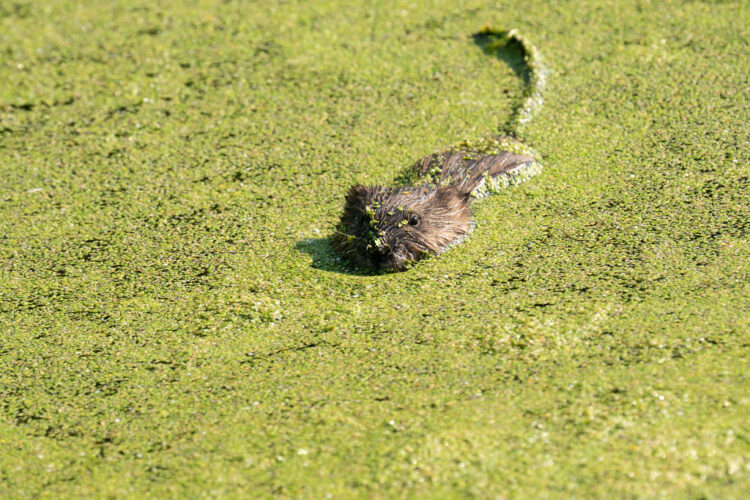
Duckweed

If you have ever explored outside with young children, you know there is a very good possibility that you will spend a lot of time looking at ordinary things. There are rocks on the trail you would not notice without children to point them out and plants you would otherwise pull out as weeds. ...

Audubon Little Explorers to study Amphibians Saturday, July 8

Frogs, Toads, and Salamanders are all amphibians. They are also the creatures Audubon Community Nature Center Little Explorers will study on Saturday, July 8, from 10 to 11:30 a.m. Area residents are invited to be among the 3 to 8-year-olds and their favorite adults who come and see what ...

Peace in the pond

It was peaceful out in the middle of the pond. The wind rustled the cattails, creating a rippling rush of sound that whooshed in from the distance and faded off behind me. The occasional loud monkey-like call of a nesting Common Gallinule echoed out of the deep grass. Geese honked in the ...

Wildfires

An unusual haze has descended on most of New York and neighboring states, and this area is no exception. The sun shining through my windows this morning gave a weak, yellow light. By 11 a.m., the air at ACNC smelled strongly of smoke. Everything looked foggy and out of focus. The haze was the drifting smoke from wildfires in Quebec and Nova Scotia, hundreds of miles away that was carried on the wind to settle over us. Wildfires are a destructive force of nature, and, although we are safe from the fires here, the hazy atmosphere is a reminder of their presence. It can be upsetting to ...

Audubon Natural Investigators: Binoculars and Birds, June 24

From songbirds to waterfowl to raptors, birds abound on the grounds of Audubon Community Nature Center, but their flighty nature makes getting a close look difficult. With the aid of binoculars, adults and the 8 to 12-year-old(s) can be Natural Investigators and hit the trails to discover ...

First and second generations of timber on forest bring drastic changes

When the forefathers of the Allegheny National Forest were planning for the future, they were looking primarily at what the forest COULD be. Decades of excessive timber harvesting gave them, in some sense, a blank slate to work with. So what did those early planners think they were going ...